What Fish Are in Lake Conroe?
A local guide to Lake Conroe fish species, seasonal patterns, bait, regulations, and what to expect before a guided trip.
Lake Conroe gives anglers more than one way to have a good day. The right target might be catfish for steady family action, crappie for a cooler-ready meal, white bass or hybrids for fast pulls, bream for kids, or largemouth bass for anglers who want to work structure.
The main fish in Lake Conroe
If you are asking what fish are in Lake Conroe, the short answer is: largemouth bass, catfish, crappie, white bass, hybrid striped bass, and bluegill are the species most visitors hear about first. Texas Parks and Wildlife lists largemouth bass, bluegill, channel catfish, and white and hybrid striped bass among the lake's main sport fish on itsLake Conroe fishing page. Local anglers also commonly talk about crappie, bream, blue catfish, and other sunfish because those fish can turn a slow-looking day into a good one.
The better question is not only which fish live here. It is which fish makes sense for your group, the season, and the kind of day you want. A family with young kids may be happier with steady bites than with a long trophy hunt. A serious bass angler may want to work docks, brush, and structure. A visitor who just wants a relaxed Texas lake day may care more about action, comfort, and someone else handling the hard decisions.
Lake Conroe is big enough for variety but familiar enough for a local guide to read. The San Jacinto River Authority describes Lake Conroe as a 21,000-acre reservoir extending about 21 miles from the dam to the upper reaches of the West Fork of the San Jacinto River on itslake history page. That size matters. Fish can spread across docks, creek channels, open water, bridge areas, brush, and shallow edges. You can be on the right lake and still be in the wrong water.
Largemouth bass: the headline fish
Largemouth bass are the fish many anglers picture first when they think about Lake Conroe. They are strong, aggressive, and tied closely to cover. The lake has docks, bulkheads, brush, points, deeper edges, and pockets where bass can feed or hold depending on the weather. That makes bass fishing fun, but it also makes it less automatic than people expect.
Texas Parks and Wildlife says largemouth bass are the most sought-after species on Lake Conroe and notes the lake's reputation for trophy potential. That does not mean every trip should become a trophy hunt. For a casual group, bass may be part of the plan rather than the whole plan. Wind, boat traffic, water clarity, and seasonal movement can all decide whether bass are a smart target that day.
Bass fishing is often best when the group enjoys casting, moving, and paying attention. It can be a great fit for anglers who want to learn how structure, shade, depth, and baitfish relate to each other. For very young kids, it may be better to mix bass with species that offer more consistent bites.
Catfish: a strong choice for families
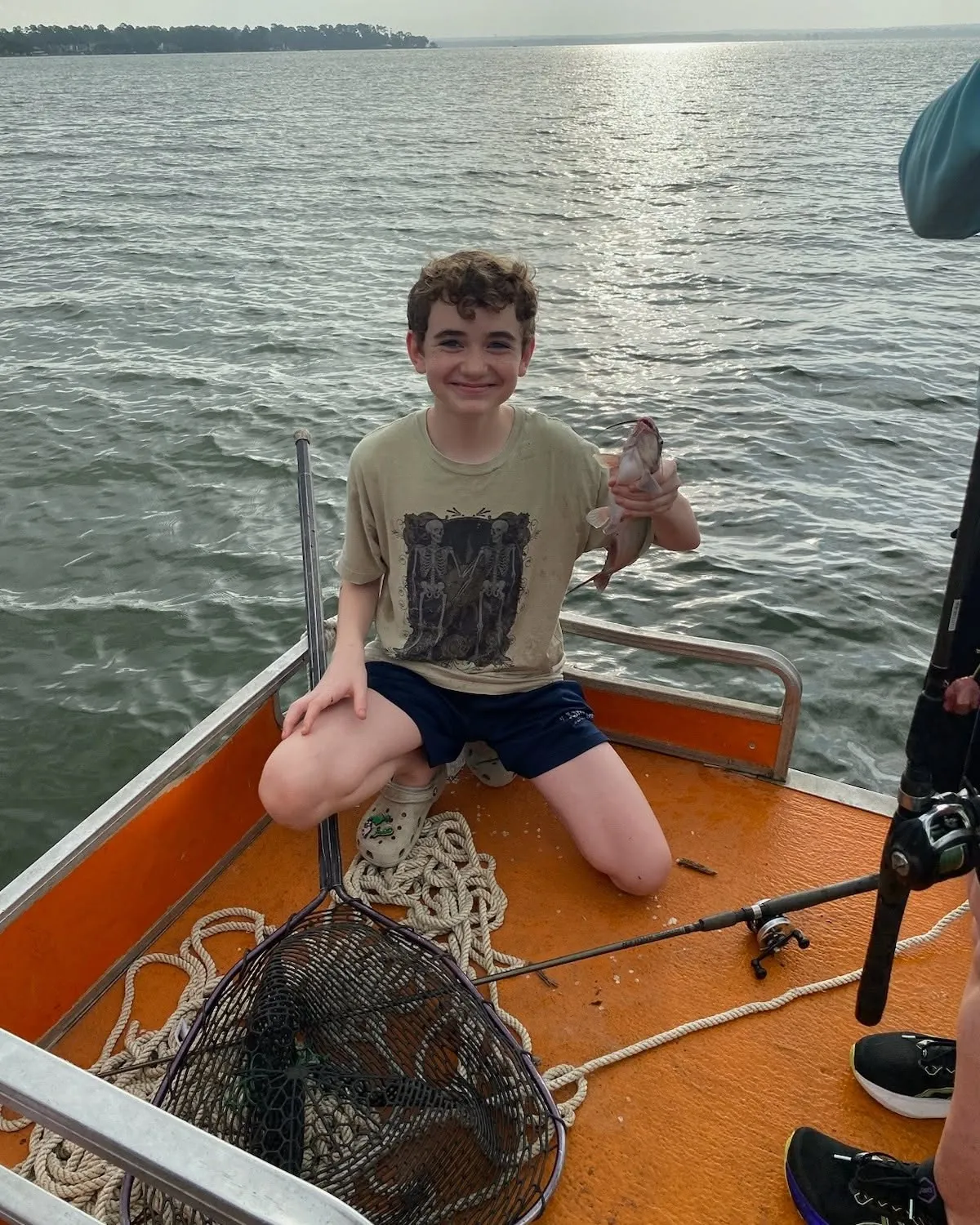
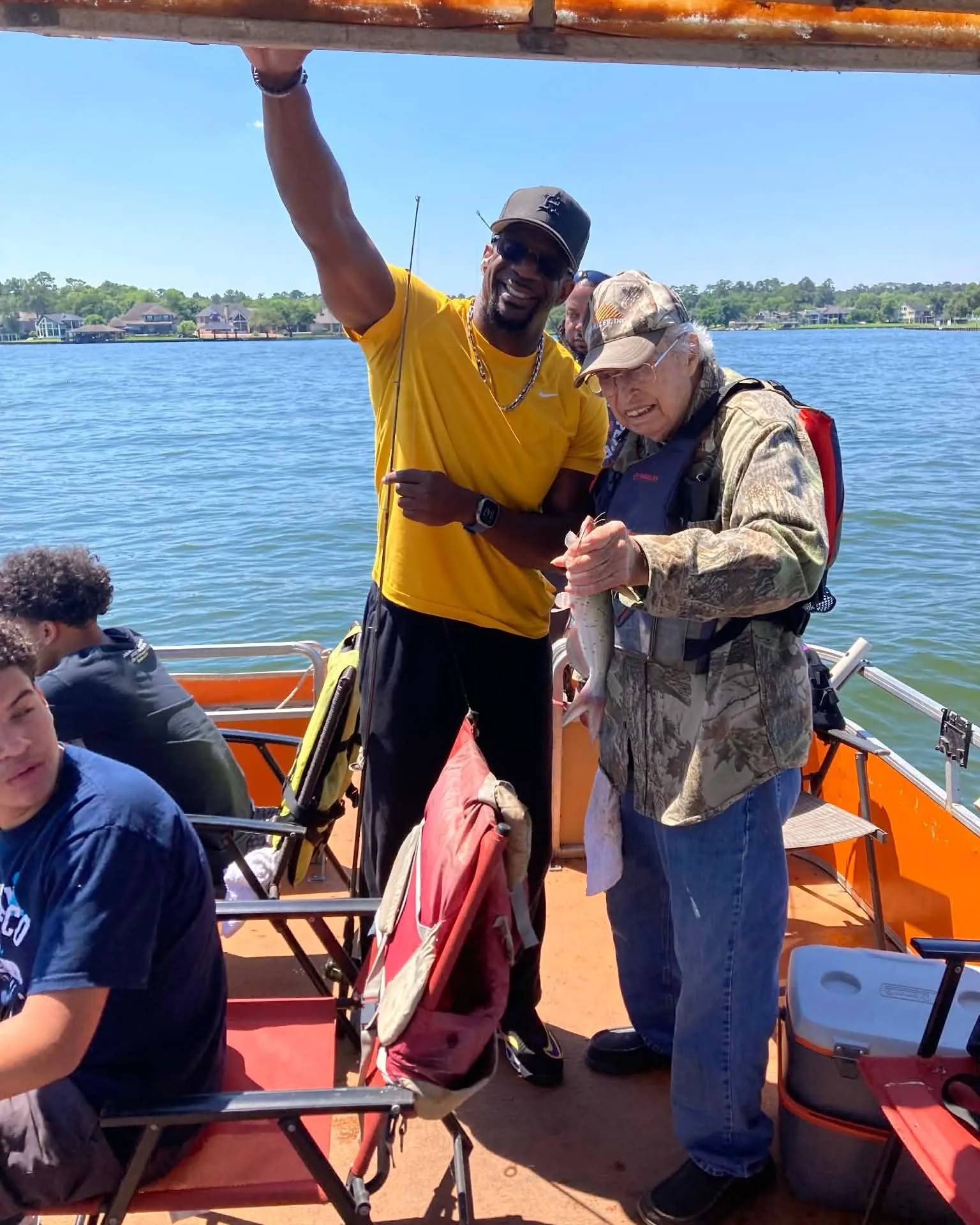
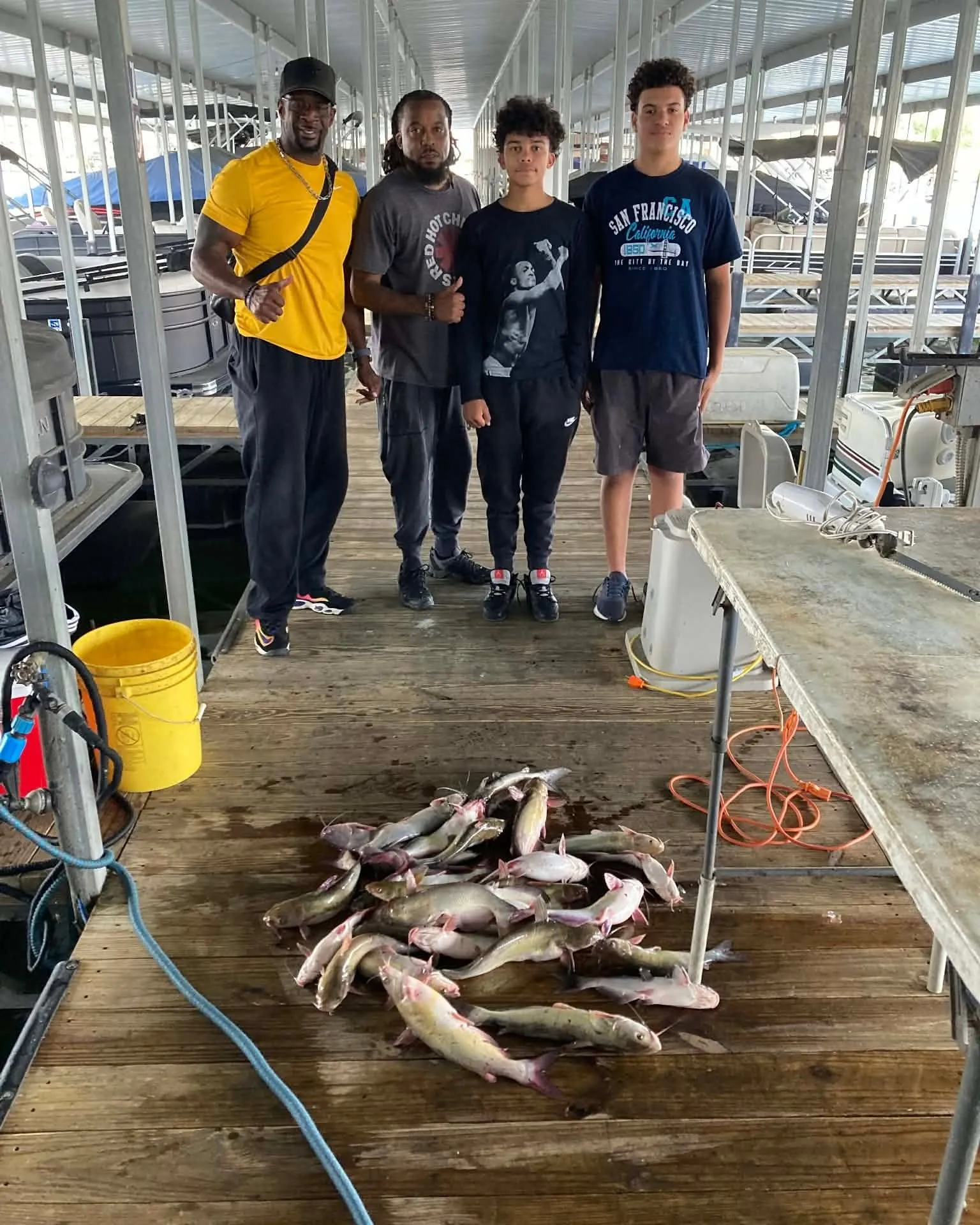
Catfish are one of the most practical Lake Conroe targets for families. They fight hard, they are easy for kids to recognize, and the style of fishing can be comfortable for a group that wants to settle in and enjoy the boat. Channel catfish are especially common, and blue catfish are part of the lake's fishery too.
The2021 Texas Parks and Wildlife survey reportdescribes catfishes as the second most sought-after group by anglers in recent years and says channel catfish were the most abundant catfish species in Lake Conroe, with blue catfish also providing a substantial fishery. That is useful context for anyone planning a trip with children, grandparents, or guests who care more about catching than casting all day.
Catfish also fit the way many people want to experience Lake Conroe. You can slow the pace down, talk, help kids with rods, and still have a real shot at memorable fish. A good guide will know when to stay patient and when to move, because catfish can be grouped tightly around the right depth, bait, or feature.
Crappie, white bass, hybrids, and bream
Crappie are popular because they are fun to catch and excellent table fish. On many Texas lakes, crappie relate to brush, bridge areas, timber, docks, and seasonal spawning areas. On Lake Conroe, they can be a smart target when conditions line up, but they are not always sitting in the obvious places. That is where local judgment helps.
White bass and hybrid striped bass bring a different kind of action. They can feed in open water, chase bait, and produce quick bursts of excitement when the timing is right. Hybrids in particular can surprise first-time anglers with how hard they pull. If someone in the group wants a fight but does not want to grind through a technical bass pattern, whites or hybrids may be the right call.
Bream, including bluegill and other sunfish, are not always the fish people brag about before the trip, but they matter. They are part of the lake's forage base and can be perfect for kids who need steady action and simple tackle. A child who catches a few bream with help and encouragement may remember that day longer than an adult remembers the biggest fish in the cooler.
What changes by season
Lake Conroe fishing changes with water temperature, fronts, rain, boat traffic, and bait movement. Spring often gets attention because many fish move shallower at some point in the season. Summer can push fish toward shade, deeper water, early starts, and patterns that avoid the worst heat. Fall can bring feeding windows as bait moves. Winter may slow some patterns while concentrating others.
That seasonal pattern is a guide, not a promise. A warm winter, a hard front, muddy runoff, a sudden lake level change, or a busy holiday weekend can change what makes sense. The best plan is to choose the species and style for the actual day, not for a generic calendar. That is why a phone call before booking is useful. Billy can talk through what has been realistic lately and what kind of trip fits your group.
For families, the season also affects comfort. A cooler morning, a less crowded weekday, or a species that keeps kids engaged may matter more than chasing the most technical bite. A good Lake Conroe fishing trip is not only about the fish that exist in the lake. It is about picking the fish that gives your group the best chance at a good memory.
Where fish hold on Lake Conroe
Lake Conroe has a mix of open water, docks, shoreline cover, coves, bridge-related areas, channels, and man-made habitat. Texas Parks and Wildlife points anglers toward standing timber, riprap, bridge pilings, boat docks, and brush piles in its Lake Conroe tips and tactics. Those features matter because fish rarely spread evenly across a reservoir. They use depth, shade, current, wind, food, and safety.
Bass may use docks, shaded edges, points, or deeper structure. Crappie may group around brush or vertical cover. Catfish may relate to channels, bait, and depth changes. White bass and hybrids can follow bait in more open water. Bream may stay closer to cover and shallower edges. The same stretch of lake can be great for one species and wrong for another.
This is the part of fishing that gets expensive when you do it by trial and error. You can buy good tackle, launch at a public ramp, and still spend the day learning what not to do. A guide shortens that learning curve by starting with the most likely water and adjusting faster when the fish say no.
Bait and tackle expectations
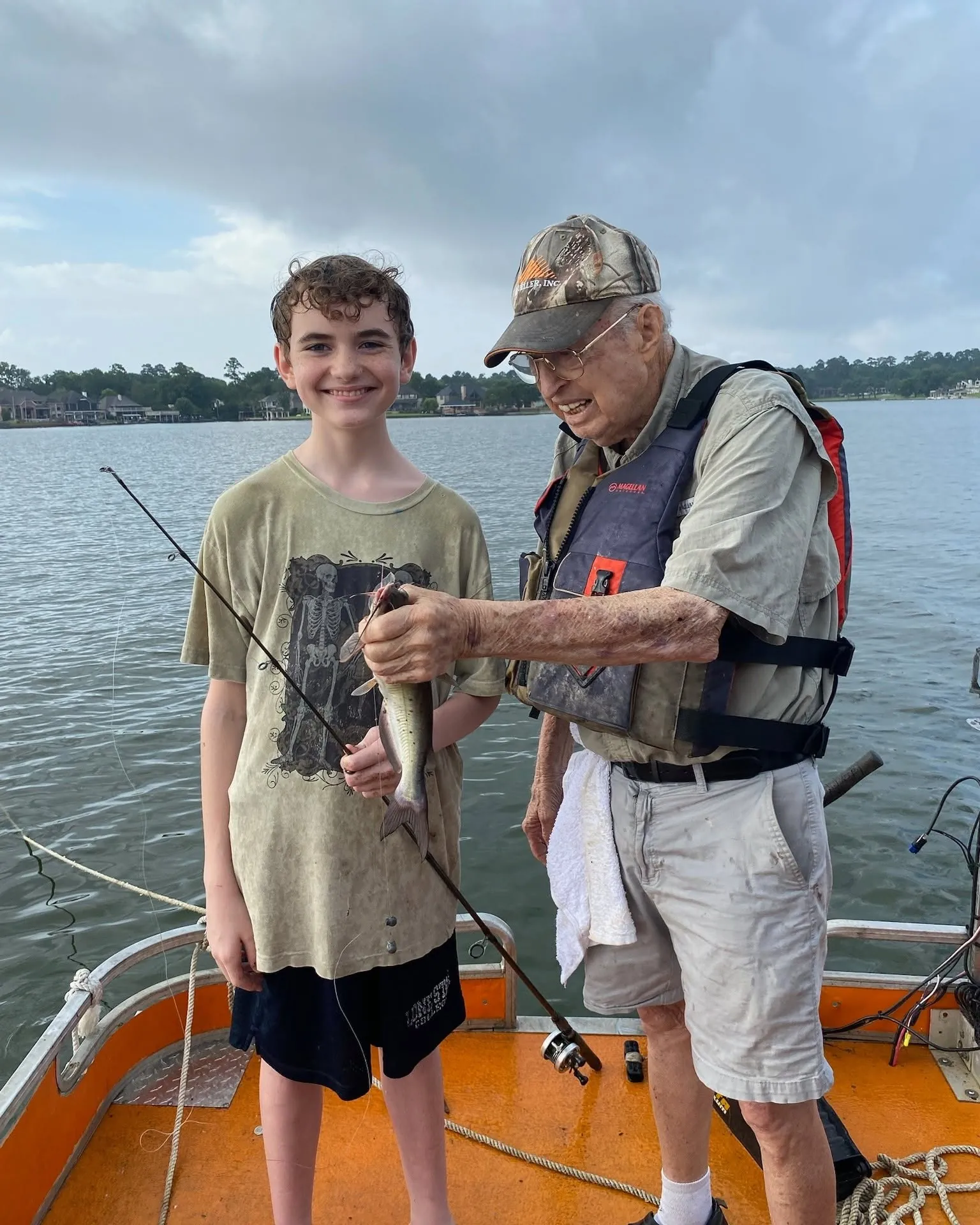
The right bait depends on the fish. Catfish may call for bait that puts scent in the water and keeps the rig near where fish are feeding. Crappie may call for small presentations around cover. Bass can involve artificial lures, live bait in some situations, and a lot of attention to shade, cover, and movement. Whites and hybrids often come down to finding active fish and presenting something they will chase.
For first-time anglers, the exact tackle matters less than the setup being simple, safe, and matched to the target. Kids do better when rods are manageable, hooks are handled carefully, and someone calmly explains what to do when a fish bites. Adults do better when they know what kind of day they are signing up for before they arrive.
If you book a guided trip, ask what you should bring and what Billy provides. Most guests care about the basics: weather-appropriate clothing, drinks, snacks, sunscreen, sunglasses, a hat, and a valid license when required. The fishing plan should be handled by the person who knows the lake.
Regulations and responsible harvest
Before keeping fish, check current Texas rules. Lake-specific regulations can change, and some species have size or bag limits. Texas Parks and Wildlife publishes the currentfishing regulations for Lake Conroe, including limits for crappie, white bass, and striped or hybrid striped bass. If you are unsure, ask before the fish goes in the cooler.
Responsible harvest is part of keeping the fishery good. Some fish are great to keep when legal and sensible. Some fish are better released. Conditions, species, size, and the goal of the trip all matter. A guide can help guests understand what is legal, what is practical, and what makes sense for the lake.
Do not rely on old forum posts, social media comments, or memory for rules. Check the current source or ask your guide. That small step protects the trip, the fishery, and the people on the boat.
When a guide is worth it
A guide is worth it when you want the day to be easier, especially if you are bringing kids, guests from out of town, or people who do not fish often. You are not just paying for a boat ride. You are paying for local decisions: which fish to target, where to start, when to move, how to rig, how to help beginners, and how to keep the day comfortable.
Billy Mills Git-A-Guide is built around that kind of Lake Conroe trip. The site coversguided fishing tripsand a simpleLake Conroe overviewfor visitors who want to understand the water before calling. The best next step is still direct: call Billy, talk through your group, and ask what fish make sense for your date.
If your goal is a relaxed day, a few proud photos, and less guessing, that conversation can save you a lot of wasted time. Lake Conroe has the fish. The trick is choosing the right plan for the people on the boat.
Frequently asked questions
What fish is Lake Conroe best known for?
Lake Conroe is best known for largemouth bass, catfish, crappie, white bass, hybrid striped bass, and bluegill. Largemouth bass get much of the attention, but catfish, crappie, whites, hybrids, and bream can be better choices for a relaxed family trip depending on the season.
Is Lake Conroe good for kids and first-time anglers?
Yes. Lake Conroe can be a good lake for kids and first-time anglers because several species can be targeted with simple tackle and patient instruction. A guided trip helps because the guide can choose a species and area that fit the group instead of making beginners guess where to start.
Do you need a fishing license on Lake Conroe?
Most anglers need a valid Texas freshwater fishing license before fishing Lake Conroe. License requirements and exemptions can change, so check Texas Parks and Wildlife before your trip or ask Billy when you call to book.
What should I fish for on my first Lake Conroe trip?
For a first trip, catfish, bream, crappie, white bass, or hybrid striped bass can make more sense than chasing one trophy fish all day. The best target depends on the date, weather, water conditions, and the people on the boat.
Ask Billy what is biting now.
Call before you pick a day so Billy can match the trip to your group, the season, and the fish that make sense.
Related posts
Lake Conroe Fishing Pier: What to Know Before You Go
A practical guide to Lake Conroe fishing piers, public access, private marinas, shore-fishing plans, rules, and when a boat is the better fit.

Lake Conroe Fishing Report: What to Check Before You Go
A practical Lake Conroe fishing report guide covering lake level, weather, fish, safety, and how to plan a better day on the water.
Lake Conroe Depth Map: How to Read It Before Fishing
How to use a Lake Conroe depth map, understand contour lines, check the current lake level, and make a safer fishing plan.