Lake Conroe Fishing Pier: What to Know Before You Go
A practical guide to Lake Conroe fishing piers, public access, private marinas, shore-fishing plans, rules, and when a boat is the better fit.
A search for a Lake Conroe fishing pier can make the day sound simple: find a dock, carry a rod down, and start fishing. In practice, the words pier, dock, ramp, marina, and public access do not all mean the same thing. Some places are built for launching boats. Some are private businesses. Some have courtesy docks that are useful at the ramp but are not set aside for fishing. A place that looks open on a map may have rules, fees, hours, or access limits that matter more than the photo.
That does not mean shore fishing is a bad idea. It can be a relaxed way to introduce a child to fishing or spend a few hours outside. The key is to verify the kind of access before you load the cooler, then choose a plan that fits the actual water, weather, and people in your group.
Start by separating a pier from a launch or courtesy dock
A fishing pier is a place designed for people to fish from shore. A boat ramp is designed to get a boat in and out of the water. A courtesy dock gives boaters a short place to tie up while parking or loading. A marina may have all of those things, plus fuel, bait, slips, and private business rules. They can sit next to each other on the same shoreline, but they are not interchangeable.
Texas Parks and Wildlife's Lake Conroe public-access page is a useful place to start because it identifies facilities and services instead of relying on a map label alone. Its listing for Pier 105, for example, describes a privately operated location with a three-lane concrete ramp, a fee, and a courtesy dock. That is useful information for boaters, but it is not the same as an invitation to set up a row of rods on a public fishing pier.
Before you promise a child that they will fish from a dock, confirm the detail that matters: is fishing allowed there today, where may guests stand, and what does it cost? That one phone call can prevent a long drive to a launch area where fishing space is limited or not permitted.
Before making the drive, decide what kind of access you actually need. A dedicated public pier is built for anglers on foot. A launch facility is built for boats. A marina dock is usually private working space. Treat them as three different options, then ask about fishing permission, hours, fees, parking, and age rules before leaving home.
Use the official access page, then verify the operator
Start with the official access listing, then read the entry for the location instead of assuming that every pin is a public fishing spot. Texas Parks and Wildlife lists facilities around Lake Conroe, including National Forest Service launches and privately operated marinas. Details such as parking, restrooms, picnic areas, launch type, accessibility, fees, and who operates the site can help you decide whether a location is even worth checking for your kind of outing.
The access page should be treated as a planning tool, not a same-day guarantee. Hours, maintenance, crowding, construction, water level, and operator rules can change. If a location is privately operated, call the marina or park before leaving home. Ask whether visitors may fish from the shore or dock, whether a purchase or day fee is required, where to park, whether children are welcome in the fishing area, and whether any part of the property is closed.
Do not rely on an old fishing forum, a social post, or a satellite photo for permission. They can point you toward a place to investigate, but they cannot tell you whether the gate is open, the shoreline is safe, or the operator still allows the activity you have in mind.
Build a shore-fishing plan around what you can actually reach
If the access point does allow fishing, choose a goal that makes sense from shore. A quiet evening soaking bait for catfish, a simple bream setup for kids, or a few hours learning to cast can be a strong plan. Trying to force an open-water bass or hybrid pattern from a narrow dock is usually a plan built around a photo instead of the water you can reach.
Lake Conroe has largemouth bass, catfish, crappie, white bass, hybrid striped bass, bluegill, and other fish, but they do not all spend the day within casting distance of a pier. Texas Parks and Wildlife's Lake Conroe fishing information describes a lake with standing timber, riprap, bridge pilings, docks, and brush piles. Those are helpful clues, not a promise that every visible piece of cover is available or productive from the bank.
For a first outing, simple usually wins. Bring a manageable rod, a small amount of tackle, water, sun protection, and one realistic target. The Lake Conroe bank-fishing guide explains how to choose a safer, less frustrating shoreline plan, while the Lake Conroe fish guide helps match the target species to the people fishing.
Watch the water close to the access point, not only the far end of the lake. Baitfish, shade, wind on the bank, rocks, and reachable cover can make a short cast worthwhile. Families may prefer simple live bait and panfish-sized tackle. Anglers settling in for catfish need enough room for rods, a cooler, and other visitors to move safely.
Watch the conditions that can change access
Even a confirmed fishing area can be the wrong choice when conditions are poor. Wind can push waves into an exposed bank or dock, make casting difficult, and leave young anglers uncomfortable. Lightning is a reason to get away from the water, rods, rails, and open shoreline. Heat can turn a simple afternoon into a short, miserable outing long before the fish become the problem.
Check the National Weather Service forecast for Conroe the evening before and again before leaving. Pay attention to wind, hourly storm timing, and heat index, not just the daily high. The Lake Conroe weather guide gives a practical way to read those details for time on the water.
Water level matters too. A changing lake can affect the feel of a ramp, nearby shoreline cover, mud, debris, and the margin around shallow areas. Check Water Data for Texas before a shore-sensitive visit, then use the Lake Conroe water-level guide to understand what the number can mean for a practical fishing day.
A good plan is allowed to change. Leave when lightning is nearby, the walkway is slick, the wind makes casting difficult, or arriving boats leave no safe room around the dock. Early morning and late afternoon can be more comfortable in warm weather, while a protected bank may be a better fit on a breezy day.
Know the rules before the first fish bites
Most people fishing from a pier, dock, or shoreline at Lake Conroe need a valid Texas freshwater fishing license, although exemptions can apply. Check Texas Parks and Wildlife's current fishing-license information before the trip instead of finding out at the water.
If you plan to keep fish, check the Lake Conroe fishing regulations for the species you expect to catch. The rules cover details that can vary by fish, including daily bag limits and minimum length limits. A measuring device and a little preparation are easier than trying to remember a rule from an old conversation after a fish is in the net.
Access rules deserve the same respect. Keep boat ramps clear, do not block parking or walkways, give other anglers room, and take line, bait containers, food wrappers, and broken tackle home. Courtesy around a shared access point makes the day safer for everyone, especially when families and boaters are working in a tight area.
When a guided boat trip is the better choice
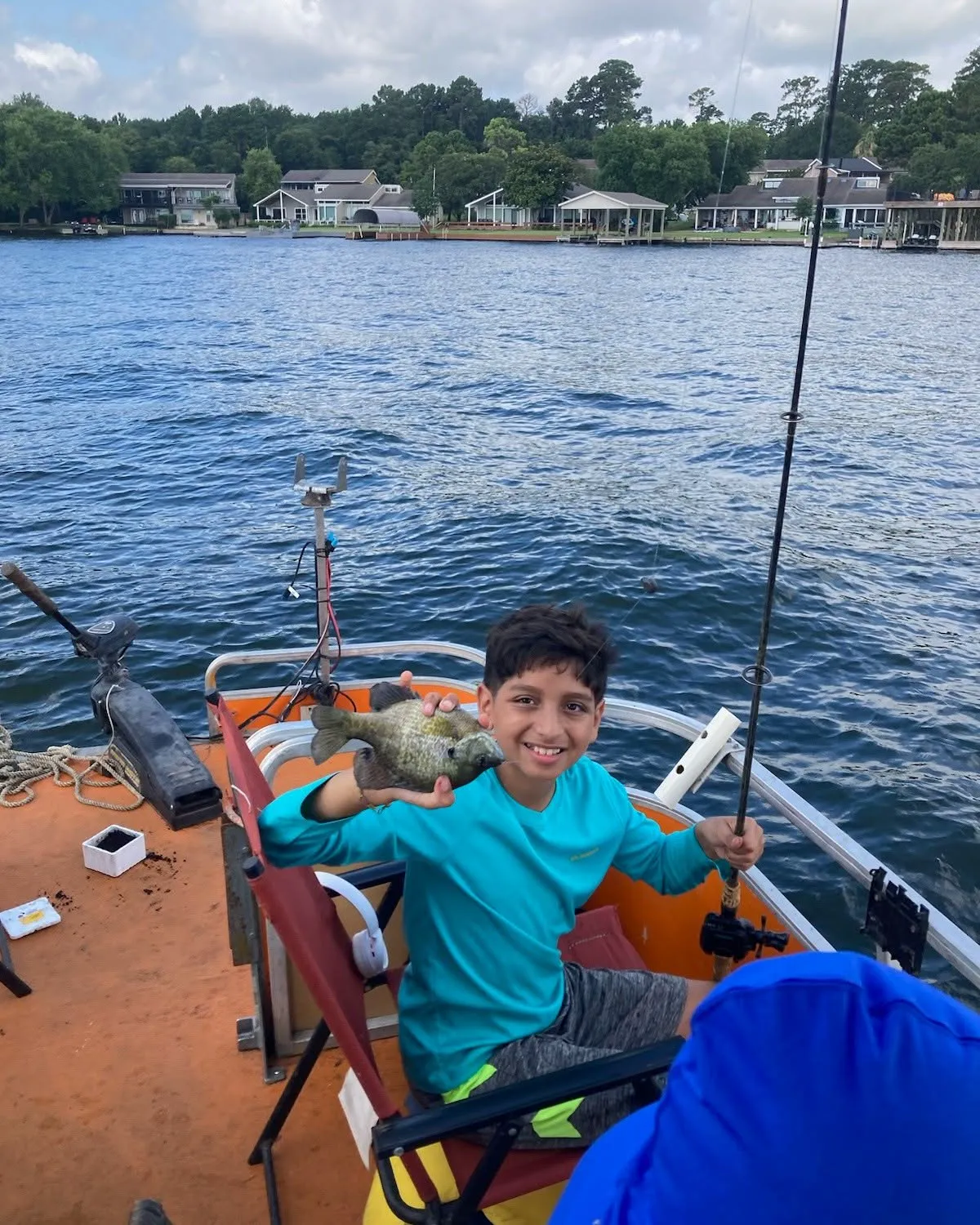
A pier or shore visit can be exactly right when the goal is simple: get outside, let a child make a few casts, and enjoy a low-key evening. It has limits, though. A fixed location cannot follow fish that have moved to a deeper channel, a protected cove, offshore cover, or a different arm of the lake. When wind, boat traffic, or changing water makes the first plan weak, shore anglers have fewer ways to adjust.
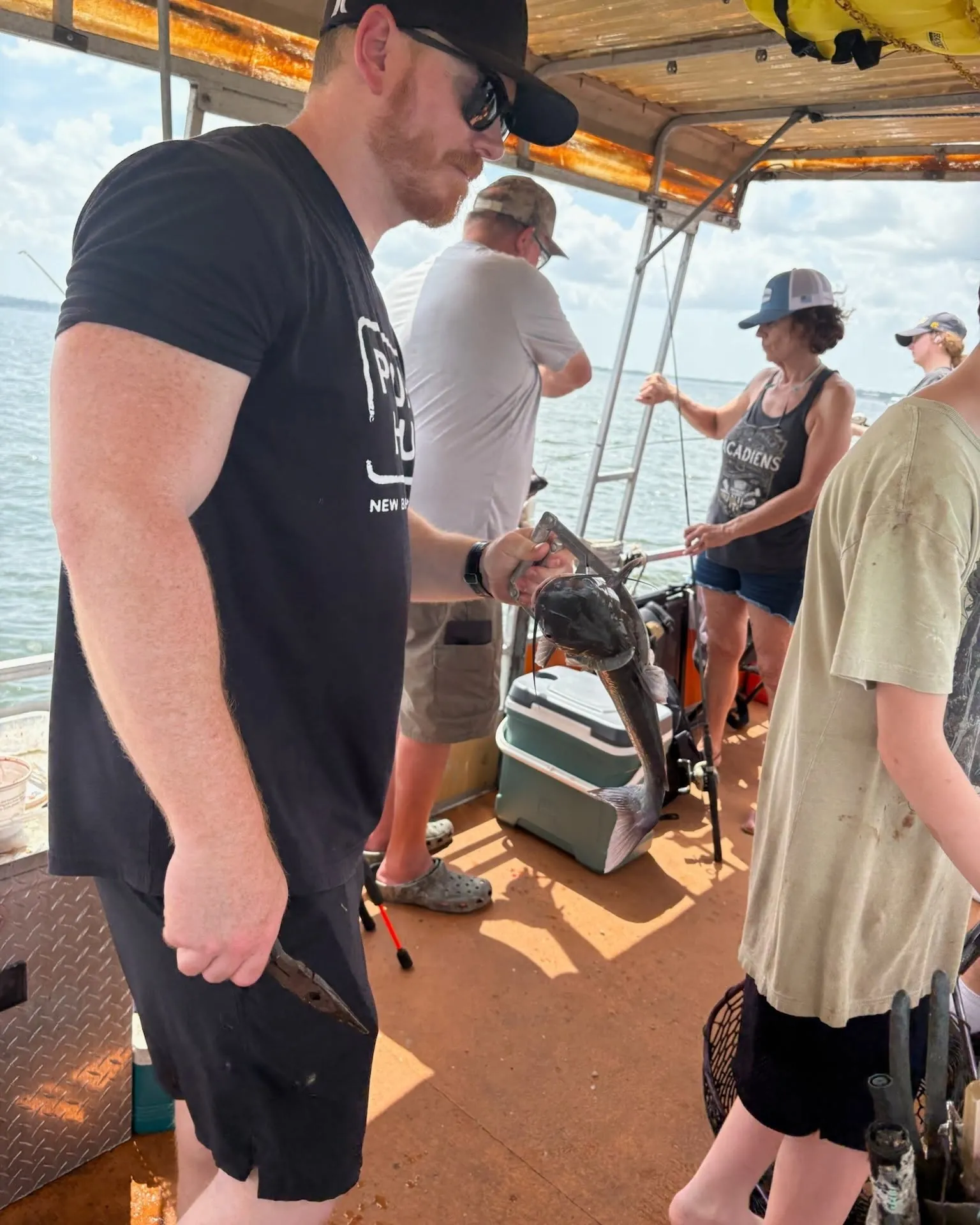
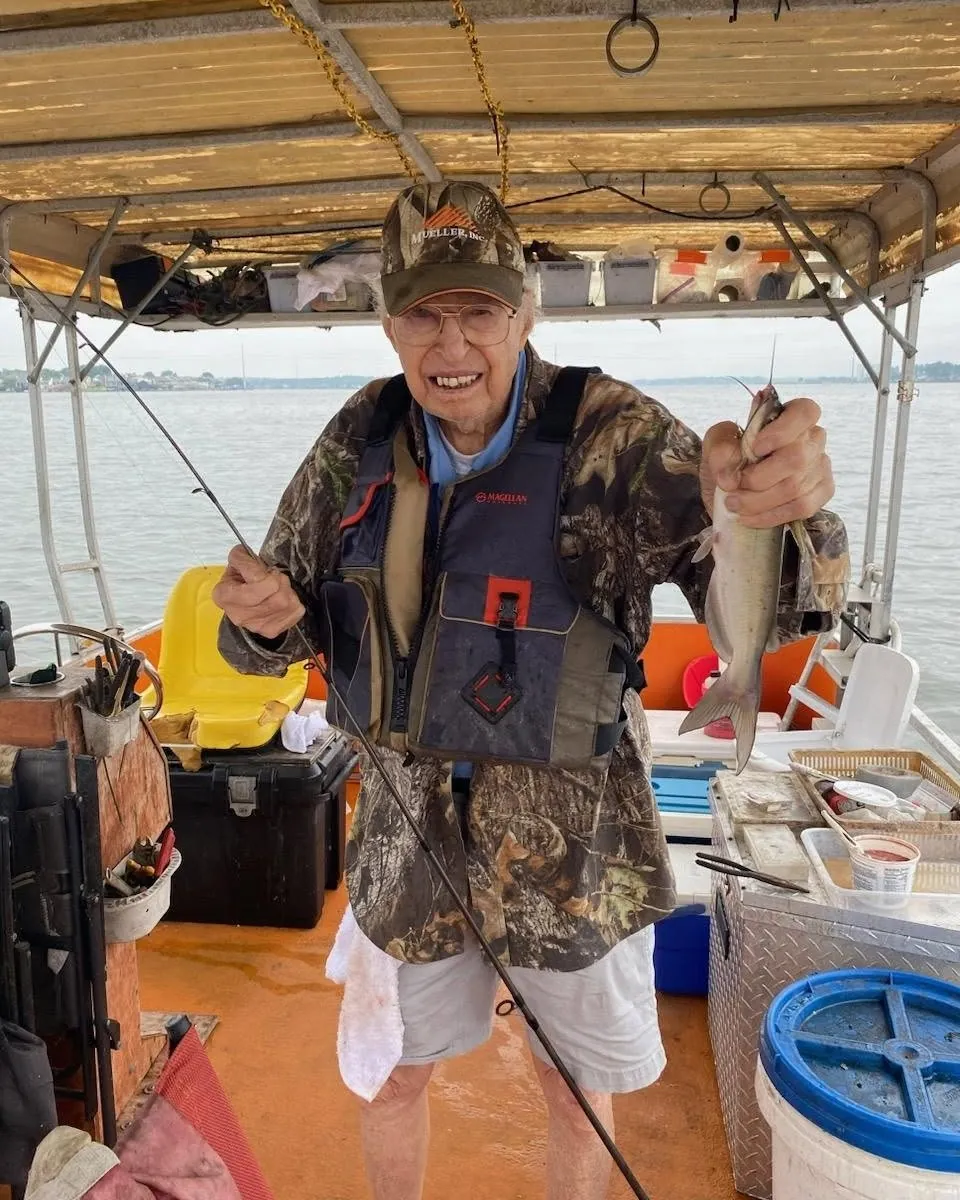
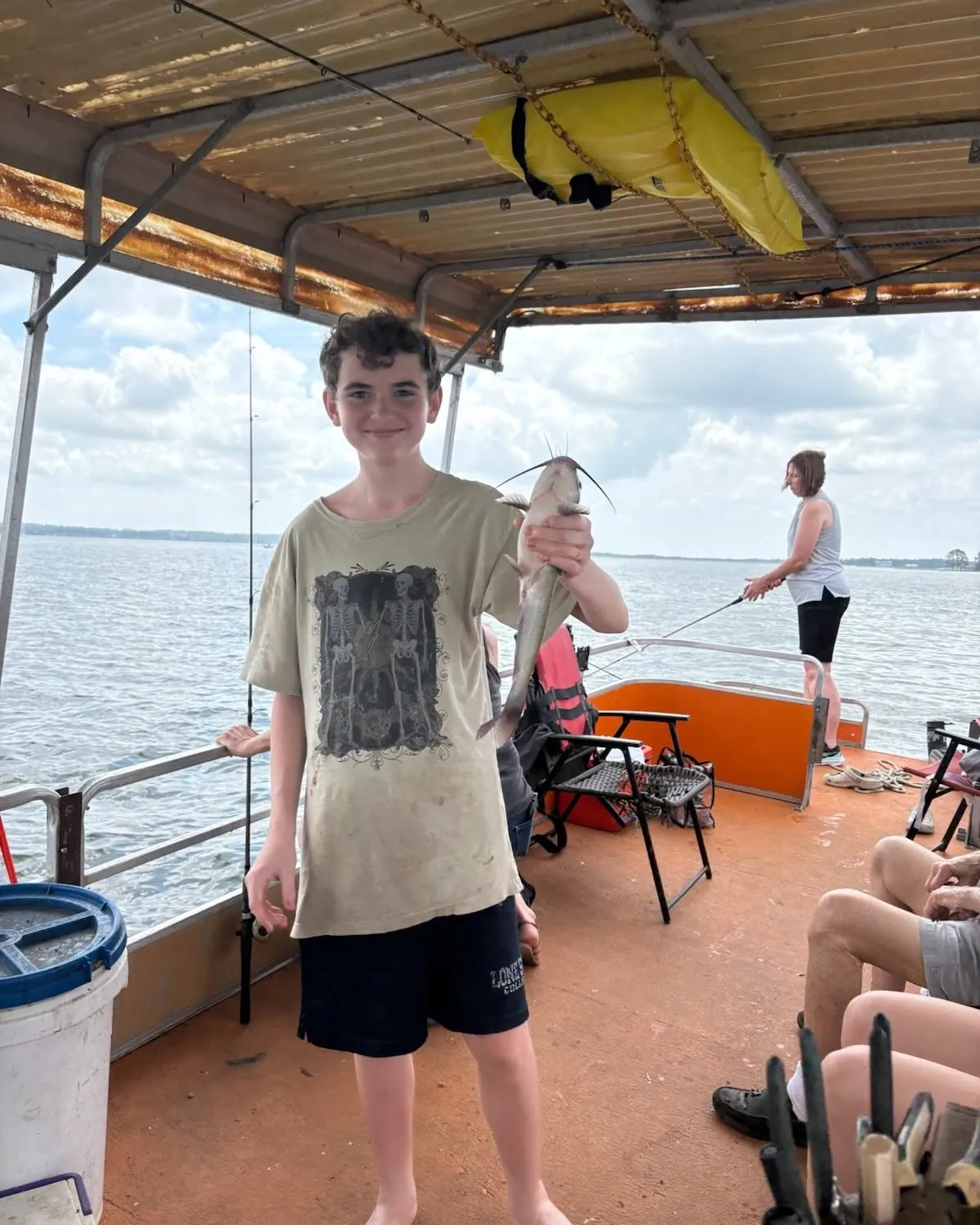
That is where a guided trip can make more sense for a birthday, a visiting family, a group with little fishing experience, or anyone with limited time. Billy can choose a starting area that fits the weather, move when the lake calls for it, set up gear for the target fish, and keep the day comfortable for the people on the boat. The Fishing Trips page explains what a guided day can look like, and the Lake Conroe fishing-guides page covers how local judgment turns conditions into a workable plan.
It is not a question of whether one option is always better. It is a question of what you want the day to do. Choose the pier for a simple shore outing when the access and conditions fit. Choose the boat when range, flexibility, and a guide's help will give the group a better chance to enjoy the lake.
A quick Lake Conroe fishing-pier checklist
Before leaving, confirm the exact location, whether fishing is allowed, current hours, fees, parking, and where visitors may stand. Check the forecast, lake level, and license requirement. Pack light, bring water and sun protection, and give yourself permission to change plans if wind, storms, crowding, or unsafe footing make the area a poor choice.
Once you arrive, look at the access point before unpacking every rod. Is there room to cast safely? Is the dock meant for boat traffic? Is the edge slippery? Are children clear of lines, hooks, and moving vehicles? A short, honest check is better than trying to make a location work because you drove a long way to get there.
Lake Conroe can give families a good shore-fishing day, but it rewards simple planning. Verify the pier or access point, fish the water you can truly reach, and keep the goal appropriate for the conditions. That is how a few hours with rods becomes a good memory instead of a parking-lot argument.
Frequently asked questions
Is there a public fishing pier on Lake Conroe?
Access around Lake Conroe can change, and a pier, dock, ramp, marina, or park listing does not automatically mean there is public fishing space. Start with Texas Parks and Wildlife's Lake Conroe access information, then confirm the current fishing access, hours, fees, and rules directly with the operator before you drive.
Can I fish from a marina dock at Lake Conroe?
Only with the marina's permission and under its current rules. Many Lake Conroe marinas are privately operated, and a courtesy dock or boat launch is not automatically a place to fish. Call ahead instead of assuming that a dock shown on a map is open for public fishing.
Do I need a fishing license to fish from a pier or shore at Lake Conroe?
Most anglers need a valid Texas freshwater fishing license, although exemptions can apply. Check Texas Parks and Wildlife's current licensing information before your trip, and review Lake Conroe's species rules if you plan to keep fish.
Is a guided trip better than fishing from a pier?
It depends on the day and your group. A pier or shoreline can be great for a simple few hours outside. A guided boat trip gives families, visitors, and first-time anglers more room to adjust when wind, water conditions, or fish movement make shore access a poor fit.
Want more water to work with?
Call Billy to plan a Lake Conroe fishing day around your group, the weather, and the fish that make sense for your date.
Related posts

Lake Conroe Fishing Report: What to Check Before You Go
A practical Lake Conroe fishing report guide covering lake level, weather, fish, safety, and how to plan a better day on the water.
Lake Conroe Depth Map: How to Read It Before Fishing
How to use a Lake Conroe depth map, understand contour lines, check the current lake level, and make a safer fishing plan.
Lake Conroe Bank Fishing: Access, Timing, and Tips
A practical Lake Conroe bank fishing guide covering public access, timing, simple tackle, safety, rules, and when a boat makes more sense.