

Lake Conroe Fishing Report: What to Check Before You Go
A practical Lake Conroe fishing report guide covering lake level, weather, fish, safety, and how to plan a better day on the water.
A Lake Conroe fishing report is most useful when it helps you make a better decision before you leave the house. It should tell you more than whether somebody caught fish last week. The useful parts are the conditions behind the catch: water level, weather, wind, recent rain, the season, the fish you hope to catch, and the kind of day your group can actually enjoy.
Lake Conroe can offer a very different experience from one day to the next. A calm early morning, an afternoon with building heat, a passing storm, or a change in water level can all affect where it makes sense to fish and how comfortable the boat will be. Use this guide to read the current information, then keep the plan flexible.
Start with the current lake conditions
Start every Lake Conroe fishing report with the water, not a rumour. Water Data for Texas shows the current lake level, percent full, recent change, and the lake's relationship to its 201-foot conservation pool. That tells you whether the lake is near its normal level, rising after rain, or lower than usual.
A level reading does not tell you exactly where fish are, but it changes the questions worth asking. Lower water can make shallow cover, ramps, and unfamiliar boat lanes feel different. Fresh rain can change water colour, add debris, and affect the upper end of the lake differently from more open water. Use the Lake Conroe water-level guide to understand the practical side of the number before treating it as a fishing prediction.
The best report separates facts from conclusions. The fact might be that the water has risen, the wind is building, or a warm week has settled in. The conclusion is what that could mean for a family, a first-time angler, or someone hoping to target a particular species. That conclusion is where a local guide's experience matters most.
Read the weather as a comfort and safety check

Check the National Weather Service forecast for Conroe the evening before and again before you head out. Look past the headline temperature. Wind speed and direction, storm timing, heat index, cloud cover, and the difference between morning and afternoon can all change a fishing plan.
For a group on Lake Conroe, weather is not just a question of whether fish will bite. It affects whether the ride is comfortable, how much shade and water the group needs, which parts of the lake make sense, and when it is time to get off the water. Lightning and unsafe wind are not details to work around. They are reasons to change the plan.
A hot forecast can still support a good trip when the timing and pace fit the people on the boat. An early start, a realistic target species, and enough water can be far more useful than trying to force a long afternoon. The Lake Conroe weather guide explains which forecast details deserve attention before a trip.
Choose the fish before you choose the spot
A fishing report that says only "the bite is good" is not much help. Good for what fish, what kind of angler, and what kind of water? Lake Conroe has largemouth bass, catfish, crappie, white bass, hybrid striped bass, bluegill, and other species, each with different habits and different ways of fitting a day on the lake.
The Texas Parks and Wildlife Lake Conroe fishing page is a reliable place to understand the lake's fishery and the kinds of cover anglers should expect. It is not a day-by-day promise. It is the background that helps you make sense of the current conditions and avoid choosing a target just because it is the most famous fish on the lake.
A family may be happiest with a patient catfish plan or a target that gives kids a better chance to stay involved. An experienced angler may prefer a more active bass plan. Crappie, white bass, and hybrids can create a different kind of day again. The Lake Conroe fish guide is a useful way to compare those options before you decide what a successful day looks like.
Use recent catches as clues, not guarantees

Recent photos, a friend's report, or a social post can be encouraging. They can show that fish are being caught and give a rough sense of what is possible. They cannot show every part of the decision that led to the catch. A fish caught in one cove, at one time of day, with one group, may not describe the next morning or the next part of the lake.
Treat a recent catch as a clue. Ask what species was caught, whether the conditions were stable, whether the group was fishing from shore or a boat, and what changed during the day. Then compare that clue with the current forecast and lake level. This is more useful than chasing a location name without knowing why it worked.
A good report also admits uncertainty. Wind can push bait, water clarity can change after rain, boat traffic can move a comfortable plan, and fish can simply stop using a place that looked right on paper. The goal is not to prove that an old report was correct. The goal is to start in sensible water and adjust quickly when the lake gives you a better answer.
Match the plan to the part of Lake Conroe you can fish
Lake Conroe is not one uniform stretch of water. It has open-water sections, coves, docks, bridge-related areas, timber, shallow edges, channels, and shorelines that feel different as wind and water conditions change. The Lake Conroe map and area guide can help you get oriented before you choose where to launch, meet, or spend the day.
If you are fishing from the bank, access and room to fish safely may matter more than a report about a boat-only pattern. Start with the current Lake Conroe public-access information, then choose a realistic target for the water you can reach. The bank-fishing guide explains why a simple, comfortable shore plan often beats a long list of claimed secret spots.
From a boat, a depth map can help explain channels, flats, points, and transitions, but it is not a navigation chart or a live fish finder. Use the Lake Conroe depth-map guide to read the bottom shape, then operate safely and stay flexible as conditions change.
Check rules before you plan to keep fish
A useful Lake Conroe fishing report includes the rules that can affect the day. Size limits, bag limits, and species rules can change, so check the current Lake Conroe fishing regulations before keeping fish. A fishing photo from years ago is not a regulation source.
Most visitors also need a valid Texas freshwater fishing license unless an exemption applies. The Texas fishing-license page is the right place to confirm the current requirement before you get to the ramp or the bank.
Regulations are not the dull part of trip planning. They protect the fishery and prevent a small oversight from souring a good day. If your group hopes to take fish home, say so before the trip. It helps set the right target, expectations, and plan for the people on the boat.
A simple Lake Conroe fishing-report checklist

The evening before a trip, check the lake level, the forecast, and the current regulations. Decide whether the group is fishing from the bank or a boat, who is coming, whether anyone is new to fishing, and whether the priority is steady action, learning, a particular species, or simply a comfortable day outside.
On the morning of the trip, check the forecast again. Pay close attention when wind, lightning, rain, heat, or a cold front could change the choice of water or timing. Bring water, sun protection, appropriate clothing, and the license you need. Leave room for the plan to change because the lake does not read the same report you did.
This is the point where a guide saves visitors the most guesswork. Instead of trying to turn scattered reports into a plan, you can call Billy with your date, group, and goal. The Fishing Trips page explains what a guided day can look like, and the Lake Conroe fishing-guides page covers how local experience helps choose the target, pace, and starting area.
Keep the report simple enough to act on. A short note that water is changing, the wind may build after lunch, and the group includes two young anglers is more valuable than ten unverified spot names. It gives you a clear reason to start early, choose sheltered water, bring the right clothing, and set expectations around the kind of fish that best fits the day.
It also helps to decide what would make the day worthwhile before you leave. For some groups, that is putting a first fish in a child's hands. For others, it is learning a new technique, keeping a few legal fish for dinner, or enjoying a relaxed morning on the water. When the goal is clear, a changing report becomes a planning tool instead of a reason to cancel every time conditions are not perfect.
How Billy uses conditions to plan the day
Billy's value is not a recycled report or a promise that one spot will be perfect. It is knowing how to turn the current lake level, forecast, fish activity, and your group into a practical starting plan. That may mean targeting a species that better fits kids and first-time anglers, choosing a more comfortable area in the wind, adjusting the timing, or moving when the conditions say the first plan is no longer the right one.
For families and visitors, that local judgment means less time guessing and more time fishing. Call Billy before you book to talk through the date, the people coming, and the kind of day you want on Lake Conroe.
Frequently asked questions
Where can I find a Lake Conroe fishing report?
Start with current Lake Conroe lake-level information, the National Weather Service forecast for Conroe, and Texas Parks and Wildlife's Lake Conroe fishing information. Those sources are more useful when read together than a single old report because they show the water, weather, and fishery context behind the day.
How often should I check conditions before fishing Lake Conroe?
Check the forecast and current water information the evening before and again on the day of the trip. This is especially important when rain, wind, heat, or a cold front has recently changed the lake.
Does a good Lake Conroe fishing report guarantee fish?
No. A report can help you make a better starting plan, but fish move with weather, water conditions, bait, boat traffic, and season. Treat it as a guide for choosing a realistic target and a sensible place to begin.
Can a fishing guide help when conditions change?
Yes. A local guide can adjust the starting area, target species, pace, and timing around the conditions and the people on the boat. That is especially helpful for families, visitors, and first-time anglers who do not want to spend the day testing every option on their own.
Turn the report into a real trip plan.
Call Billy to discuss the lake conditions, your group, and the kind of day you want on Lake Conroe.
Related posts
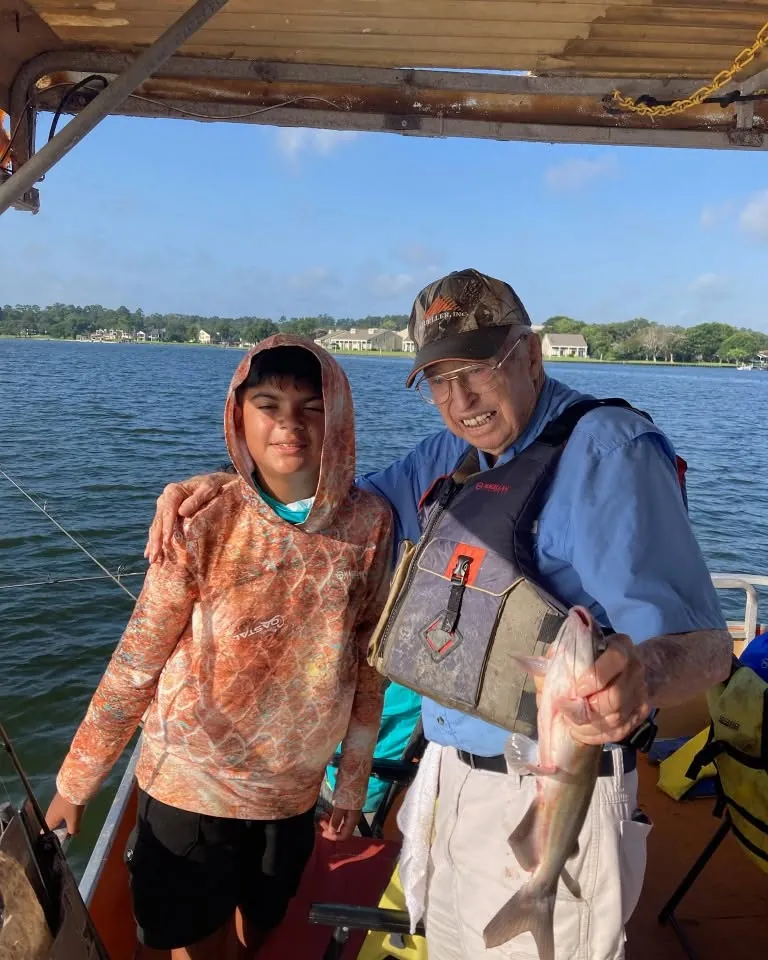
Lake Conroe Depth Map: How to Read It Before Fishing
How to use a Lake Conroe depth map, understand contour lines, check the current lake level, and make a safer fishing plan.
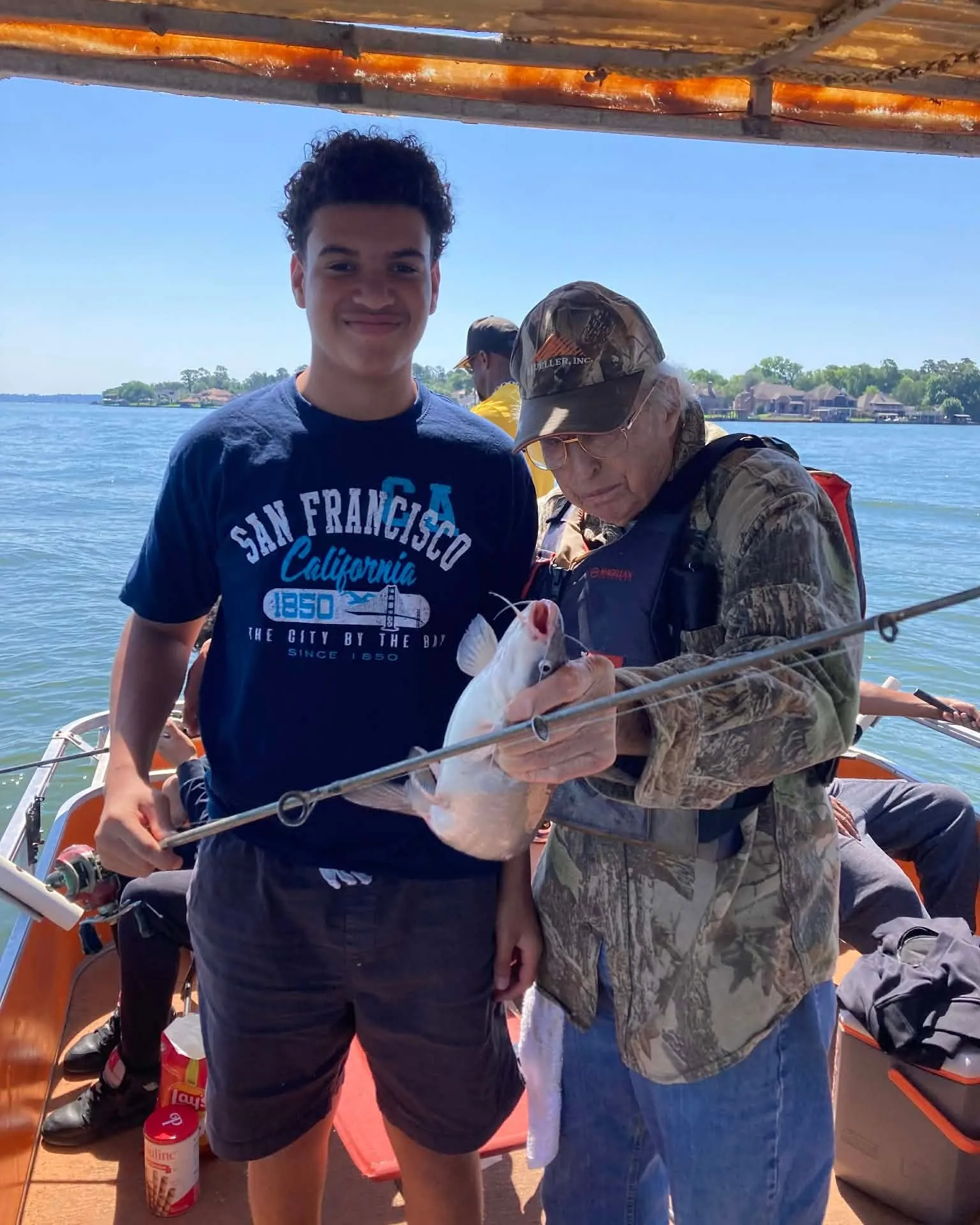
Lake Conroe Bank Fishing: Access, Timing, and Tips
A practical Lake Conroe bank fishing guide covering public access, timing, simple tackle, safety, rules, and when a boat makes more sense.
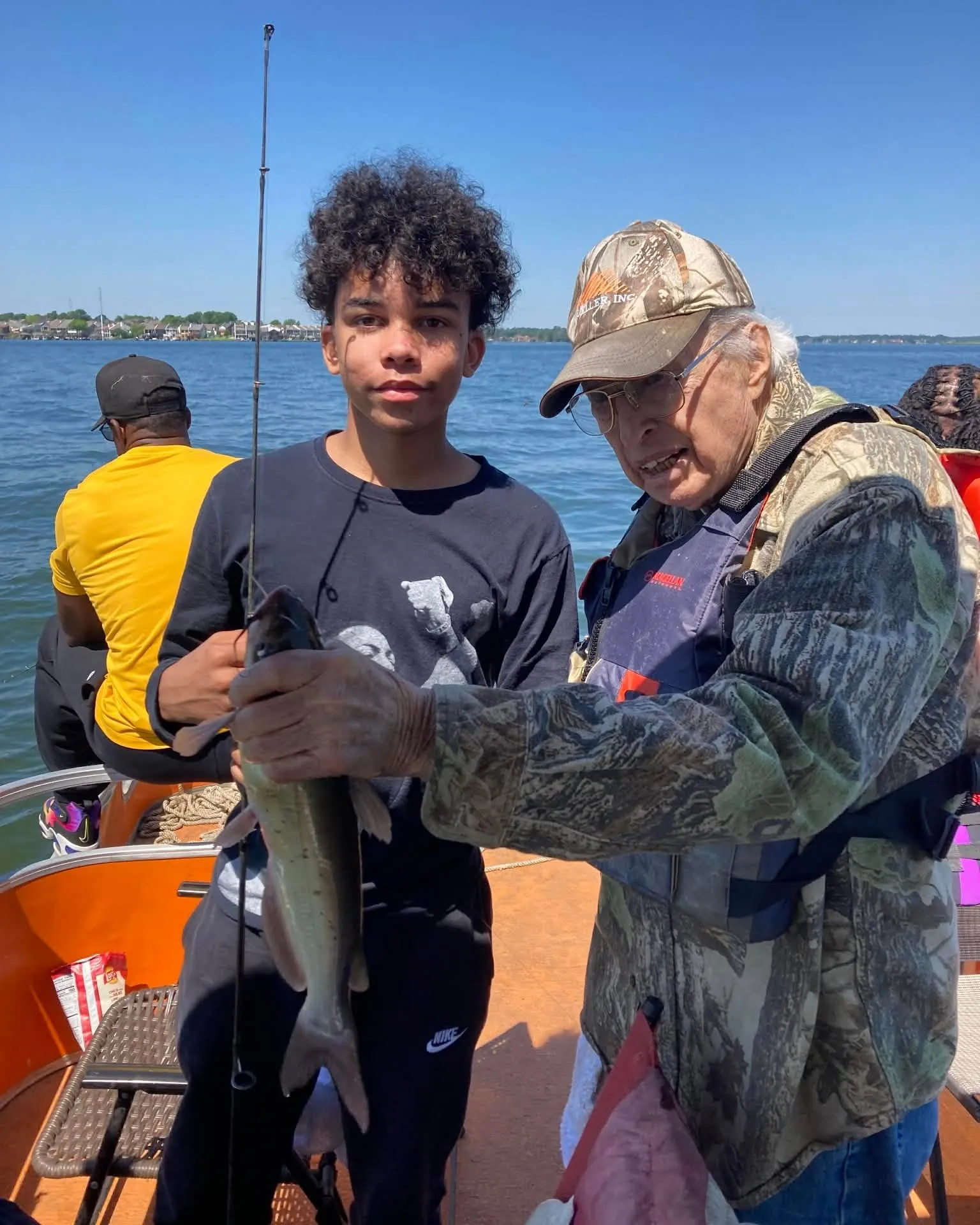
Where to Fish Lake Conroe: A Practical Area Guide
A practical guide to choosing Lake Conroe fishing areas, from coves and cover to open water, bridges, weather, and a better trip plan.