Lake Conroe Bank Fishing: Access, Timing, and Tips
A practical Lake Conroe bank fishing guide covering public access, timing, simple tackle, safety, rules, and when a boat makes more sense.
Lake Conroe bank fishing can be a good way to spend a few hours outside without launching a boat, especially for families, visitors, and anglers who want a simple plan. It is also different from fishing the lake by boat. From shore, your range is limited, the fish have to come to you, and a spot that was productive yesterday can change quickly with wind, rain, water level, crowding, or boat traffic.
A better first question than “Where is the secret spot?” is “What kind of bank-fishing day can this access point support?” Good public access, room to fish safely, manageable conditions, a target species that fits the season, and realistic expectations matter more than a rumour about one perfect cast.
Start with public access, not a pin on a map
Not every shoreline around Lake Conroe is public, fishable, or easy to reach. Much of the lake is bordered by private homes, neighbourhoods, marinas, and property where an angler cannot simply park and walk down to the water. Before making the drive, use Texas Parks and Wildlife’s Lake Conroe public-access information to confirm the current options, then look at the site details instead of assuming every ramp or park allows the same kind of fishing.
Check practical details first: where to park, whether there is a safe walk to the shore, how much room is available, whether the bank is steep or slick, and whether the location is likely to be crowded. Those details decide whether a family can settle in comfortably or whether the trip turns into moving coolers, rods, and children around a busy launch area.
The Lake Conroe map and area guide is useful for getting oriented to the size of the lake and the towns around it. Use it to understand the drive and the larger shape of the water. Use the official access listing to decide where you can legally and sensibly fish that day.
Choose a bank-fishing goal that fits the water
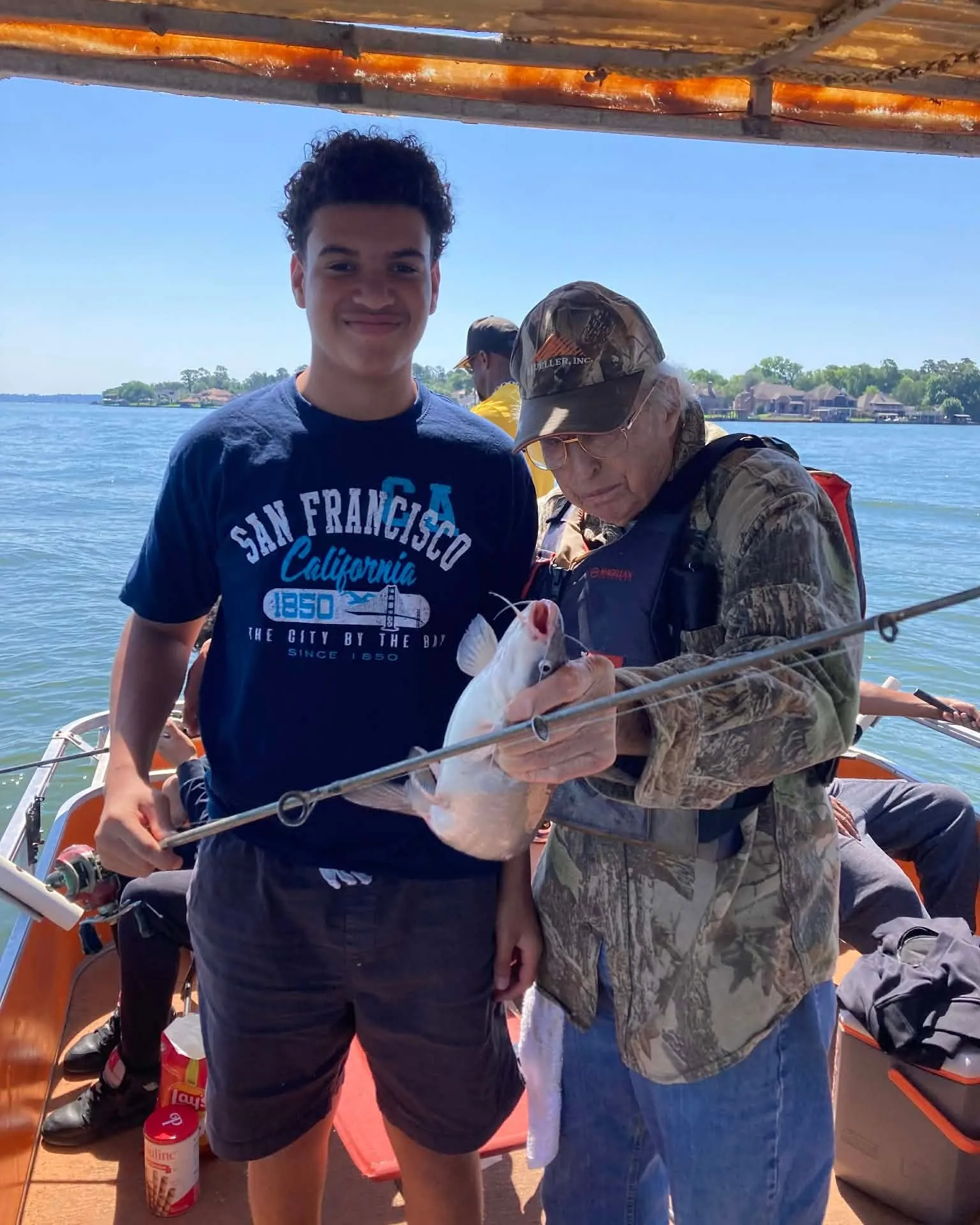
Bank fishing works best when the goal fits the access point. A calm evening with kids, a few hours soaking bait for catfish, or a simple bream setup near available cover can be a much better shore plan than trying to force a technical open-water pattern from the bank. The lake has bass, catfish, crappie, white bass, hybrid striped bass, bluegill, and more, but those fish do not use the same water in the same way.
Catfish are often a sensible shore target because the approach can be patient and easy to explain. Bream can keep younger anglers engaged when conditions put them within reach. Bass and crappie may be possible around the right cover, but they can be harder to follow when they move away from the shoreline. The Lake Conroe fish guide explains the main species and why the best choice for a group is not always the fish people expected to chase.
There is no prize for choosing the most difficult target. If the plan is a relaxed first outing, choose simple tackle, a species that makes sense for the conditions, and enough time to settle in. That is more likely to create a good memory than spending every minute changing lures in a place where the fish are not close enough to reach.
Read the bank before you cast
Once you arrive, spend a few minutes looking before you fish. Notice the wind direction, water colour, available shade, current movement, nearby docks or riprap, bank slope, submerged cover, and where other people are walking or casting. A shoreline can look promising from the road but become awkward once the wind blows straight into it or waves make the edge unsafe.
Structure matters because fish use it for shade, food, depth changes, and protection. Texas Parks and Wildlife notes that Lake Conroe anglers should understand features such as standing timber, riprap, bridge pilings, boat docks, and brush piles on its Lake Conroe fishing page. From the bank, do not treat that list as a promise that every visible feature holds fish. Treat it as a reason to look for a shoreline that gives you an actual target instead of casting blindly into open water.
Give yourself space to move. If one cast angle is blocked by a tree, another angler, a boat lane, or loose footing, a small change in position can be safer and more productive than trying to make a difficult cast work. Keep hooks, coolers, and bags behind the casting area so children and other visitors are not walking through the line.
Keep tackle simple and matched to the plan
A shore trip does not require a truckload of gear. One or two reliable rods, a small tackle box, appropriate bait, needle-nose pliers, a net if legal and useful, water, sunscreen, and a way to handle fish safely will cover most casual outings. Bring less so you can move when the wind, crowding, or bite tells you to move.
For catfish, a steady presentation and bait that matches the conditions can be more useful than complicated tackle. For bream, small hooks and manageable rods make it easier for children to participate. For bass, work the cover you can reach rather than trying to cast across the lake. The Lake Conroe catfish guide gives a more detailed look at a family-friendly target and the kind of patient pace that can work well from shore.
Set up with the people in mind, not just the fish. A child with a rod that is too heavy, a line that tangles constantly, or hooks left where feet can find them will not have much fun. Simple rigs, clear jobs, and enough room to fish safely are usually the right choice for a first Lake Conroe bank-fishing day.
Time the trip around heat, wind, and storms
On a warm Lake Conroe day, early morning and later evening can be more comfortable than the middle of the afternoon. Comfort is not a small detail. Heat can shorten attention spans, make shore access less enjoyable, and turn a pleasant outing into a trip people want to end early. Pack water, use sun protection, and choose a shorter outing when the forecast calls for strong heat.
Wind changes more than casting distance. It can push waves into a shoreline, make a narrow bank slippery, move bait, and make an exposed access point feel much less welcoming. A little breeze can be manageable. Strong wind, lightning, or a fast-moving storm is a reason to change the plan or leave. The Lake Conroe weather guide explains why wind direction, hourly storm timing, and heat index are more useful than looking only at the day’s high temperature.
Water level can matter too. Rain, runoff, and changing water can affect the bank, nearby cover, ramp conditions, and the way fish use a shoreline. Review the Lake Conroe water-level guide before a boat-sensitive or shore-sensitive visit. Then be ready to choose a different location, fish a different target, or save the outing for a better day.
Fishing from shore means accepting fewer options
The honest limitation of bank fishing is that a good cast cannot follow fish that have moved to deeper water, a different arm of the lake, a brush pile offshore, or an open-water bait school. That does not make shore fishing a bad choice. It just means expectations should match the access you have.
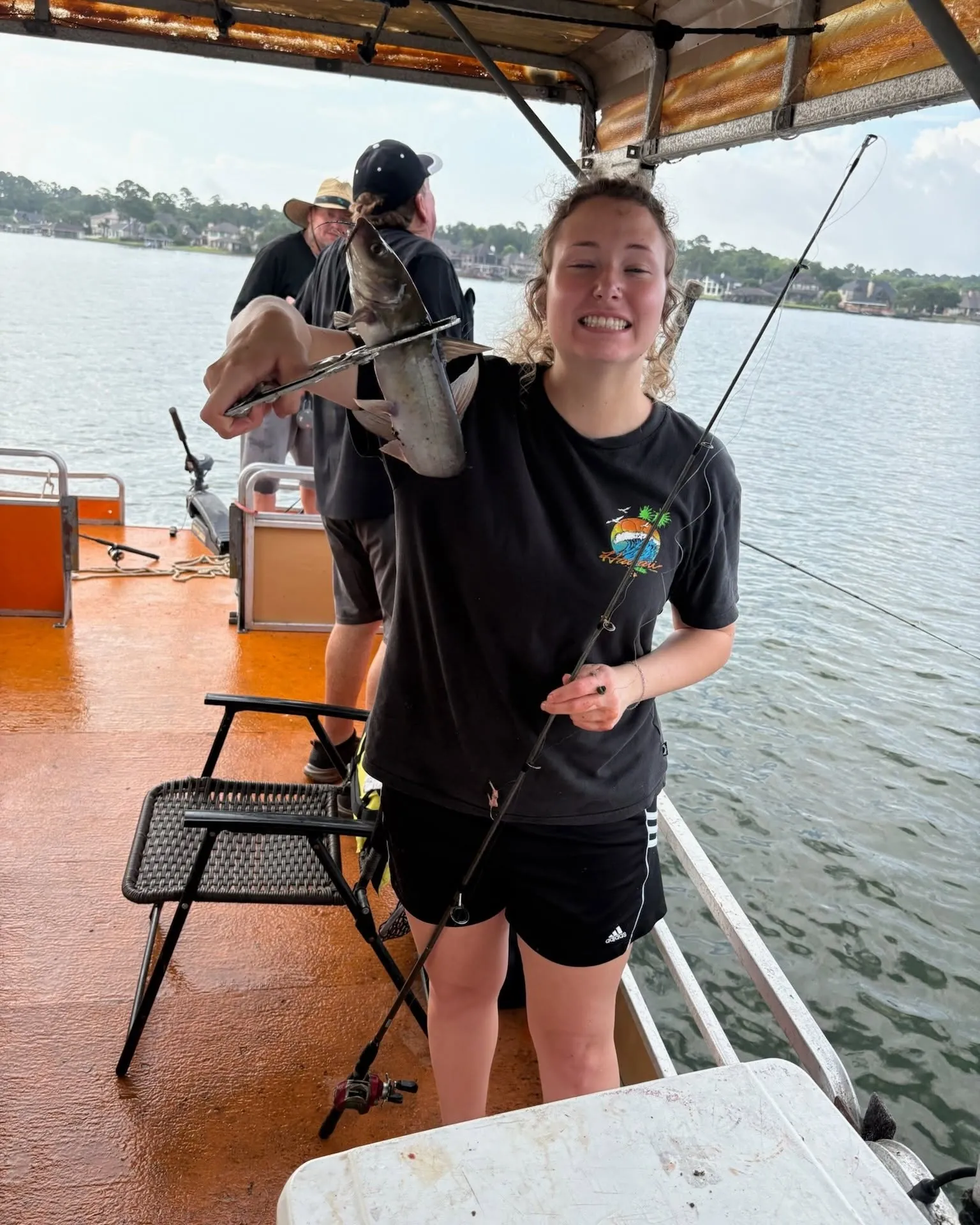
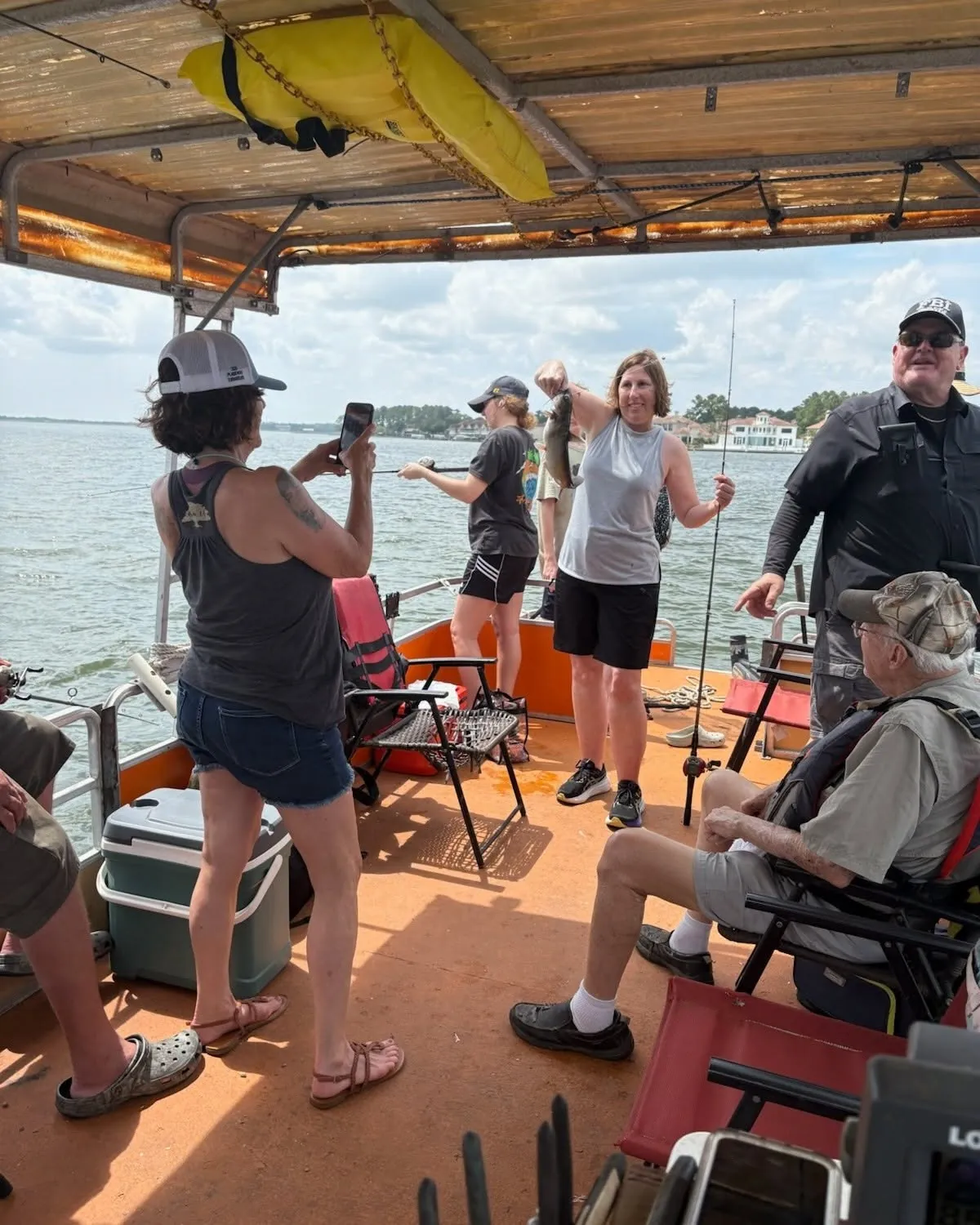
A boat gives anglers more water to work with and more ways to respond when the first plan is not working. That is especially valuable for visitors, groups with limited time, and families who want less guessing. A local guide can choose a protected start, change depths, move to a different type of cover, and help each person fish a simple, productive setup without requiring the group to own a boat or know the lake.
The point is not that every shore angler needs a guided trip. The point is to choose the right format for the day. A short evening on the bank can be exactly right for a low-key outing. A birthday group, out-of-town family, or first-time fishing day may be better served by a guided Lake Conroe fishing trip that can adapt to the lake instead of waiting for fish to come within casting range.
Check the current rules before keeping fish
A fishing trip is more enjoyable when the basics are settled before the first bite. Most anglers need a valid freshwater fishing licence, though Texas has exemptions in some circumstances. Confirm the current requirements on Texas Parks and Wildlife’s fishing licence information rather than relying on an old conversation or social post.
If you plan to keep fish, check the current Lake Conroe fishing regulations for species-specific size and bag limits. Rules can differ by water body and can change. Bring a measuring device if you might keep fish, and release anything you cannot identify or measure confidently.
Respect the access point as well. Leave room for other people, keep litter out of the water, do not block paths or ramps, and take line, bait containers, and food packaging home with you. A clean, considerate shore trip helps keep public access usable for everyone who comes after you.
A simple plan for a better Lake Conroe shore trip
The best Lake Conroe bank-fishing plan is usually straightforward: confirm an official access point, choose a time that fits the weather, pack light, pick a realistic target, watch the bank before you cast, and be willing to move or call it early when conditions are not right. That is a better plan than chasing a specific spot from an old photo.
For anglers who want to understand the lake more deeply, start with the Lake Conroe area guide and the site’s Lake Conroe overview. Those pages help put shore access, cover, weather, and species into the larger picture of the lake.
Shore fishing can be simple, affordable, and memorable. It works best when the plan respects what the shoreline can actually offer. When you need more range, more comfort, or a day built around the people in your group, call Billy and talk through a trip that fits the date.
Frequently asked questions
Can you bank fish at Lake Conroe?
Yes, Lake Conroe has public-access options, but the available fishing room, parking, shoreline conditions, and rules can differ by location. Check current Texas Parks and Wildlife access details before leaving home, especially after storms, water-level changes, or busy weekends.
What fish can you catch from the bank at Lake Conroe?
Catfish, bream, crappie, bass, and other species can be possible from shore when the fish, season, cover, and conditions line up. Bank anglers have fewer ways to follow fish when they move, so a flexible plan matters more than chasing one species all day.
What is the best time for bank fishing on Lake Conroe?
Early morning and the last part of the day can be more comfortable in warm weather, but the best window depends on wind, heat, storms, water conditions, and the fish you want to catch. Check the forecast and current lake conditions before you go.
Do I need a fishing license to bank fish at Lake Conroe?
Most anglers need a valid Texas freshwater fishing license, although exemptions can apply. Check the current Texas Parks and Wildlife licensing rules and Lake Conroe regulations before your trip because requirements can change.
Want more than the bank can reach?
Call Billy Mills Git-A-Guide to discuss a Lake Conroe trip built around your group, the weather, and the kind of fishing day you want.
Related posts
Where to Fish Lake Conroe: A Practical Area Guide
A practical guide to choosing Lake Conroe fishing areas, from coves and cover to open water, bridges, weather, and a better trip plan.
Lake Conroe Crappie Fishing: A Practical Guide
A straightforward Lake Conroe crappie guide covering seasons, cover, tackle, family trips, current rules, and how a local guide helps.
Lake Conroe Catfish: Where to Start and What to Expect
A practical Lake Conroe catfish guide covering seasons, bait, family trips, water conditions, and when a local guide helps.