Lake Conroe Catfish: Where to Start and What to Expect
A practical Lake Conroe catfish guide covering seasons, bait, family trips, water conditions, and when a local guide helps.
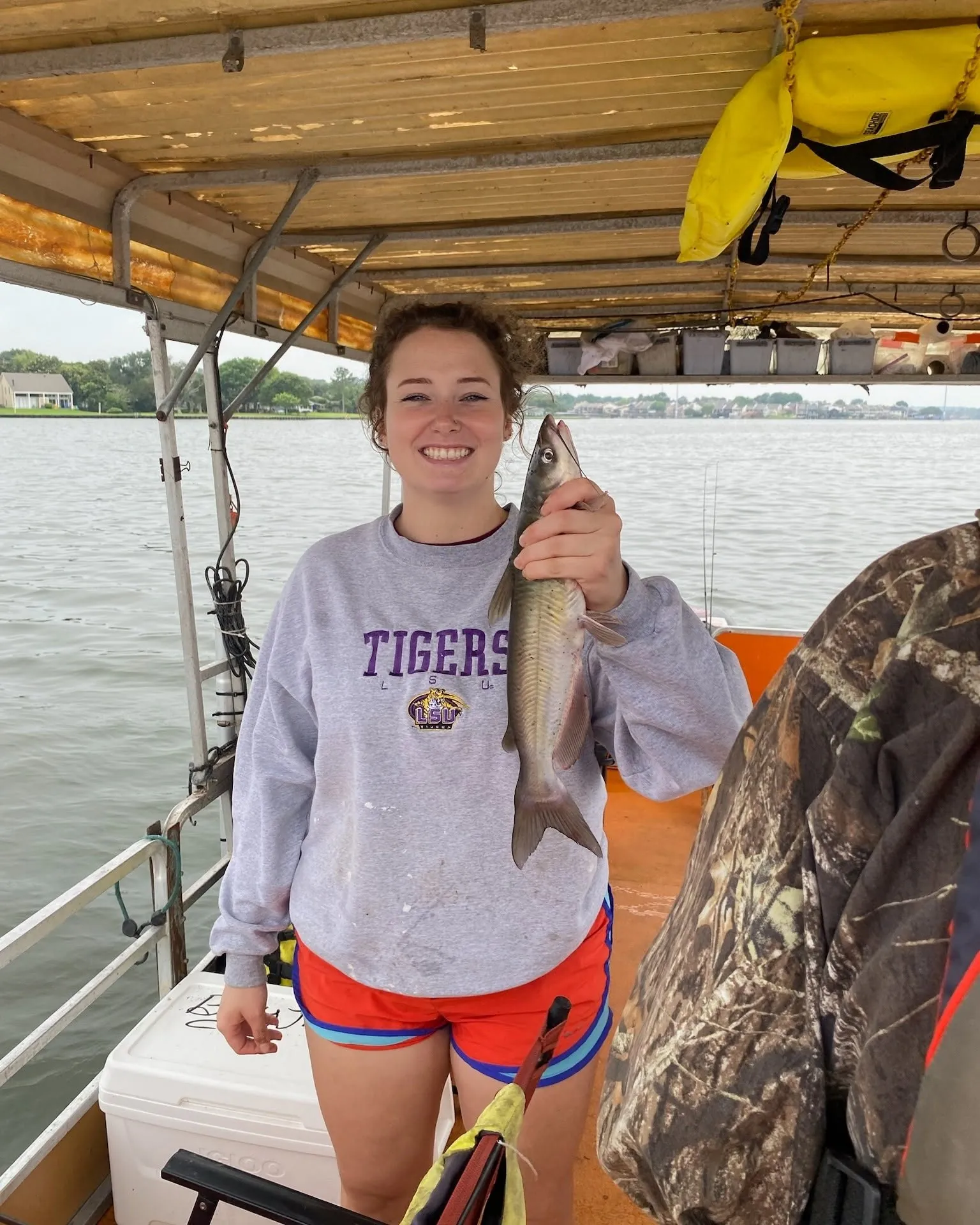
Lake Conroe catfish are a smart target for people who want a relaxed freshwater fishing day without making every cast feel like a test. They pull hard, they give beginners a clear chance to feel a real bite, and they fit a trip where families can talk, laugh, and stay involved. Texas Parks and Wildlife identifies channel catfish as the lake's most abundant sportfish, while blue catfish also provide a substantial fishery.
That does not mean catfish are automatic. Lake level, wind, heat, bait, boat traffic, and where the fish are holding can all change the plan. The practical question is not whether catfish live here. They do. It is how to choose a catfish trip that fits the day and the people on the boat.
Why catfish make sense on Lake Conroe
Lake Conroe has the kind of variety that lets a guide choose a target instead of forcing every group into the same style of fishing. If someone wants to work lures all day for bass, that can be a great plan. If the group includes kids, first-time anglers, grandparents, or guests who simply want steady chances and a comfortable pace, catfish often make more sense.
The state's Lake Conroe fishing information says channel catfish are caught year-round in good numbers. Its 2021 lake survey also found that catfish were the second most sought-after group of fish by anglers, with channel catfish the most abundant catfish species in the reservoir. That combination matters. It gives a family or casual group a target that is familiar, fun on light tackle, and not dependent on everyone having perfect casting form.
Catfish are also a good reminder that a successful trip is not always about the biggest fish on the lake. A child who watches a rod tip bounce, feels the line tighten, and brings a fish to the boat has a real fishing story. For many families, that is the kind of action that turns a first trip into a tradition. Visitors deciding among the lake's species can use the Lake Conroe fish guide to compare catfish with bass, crappie, white bass, hybrids, and bream.
What a catfish day looks like
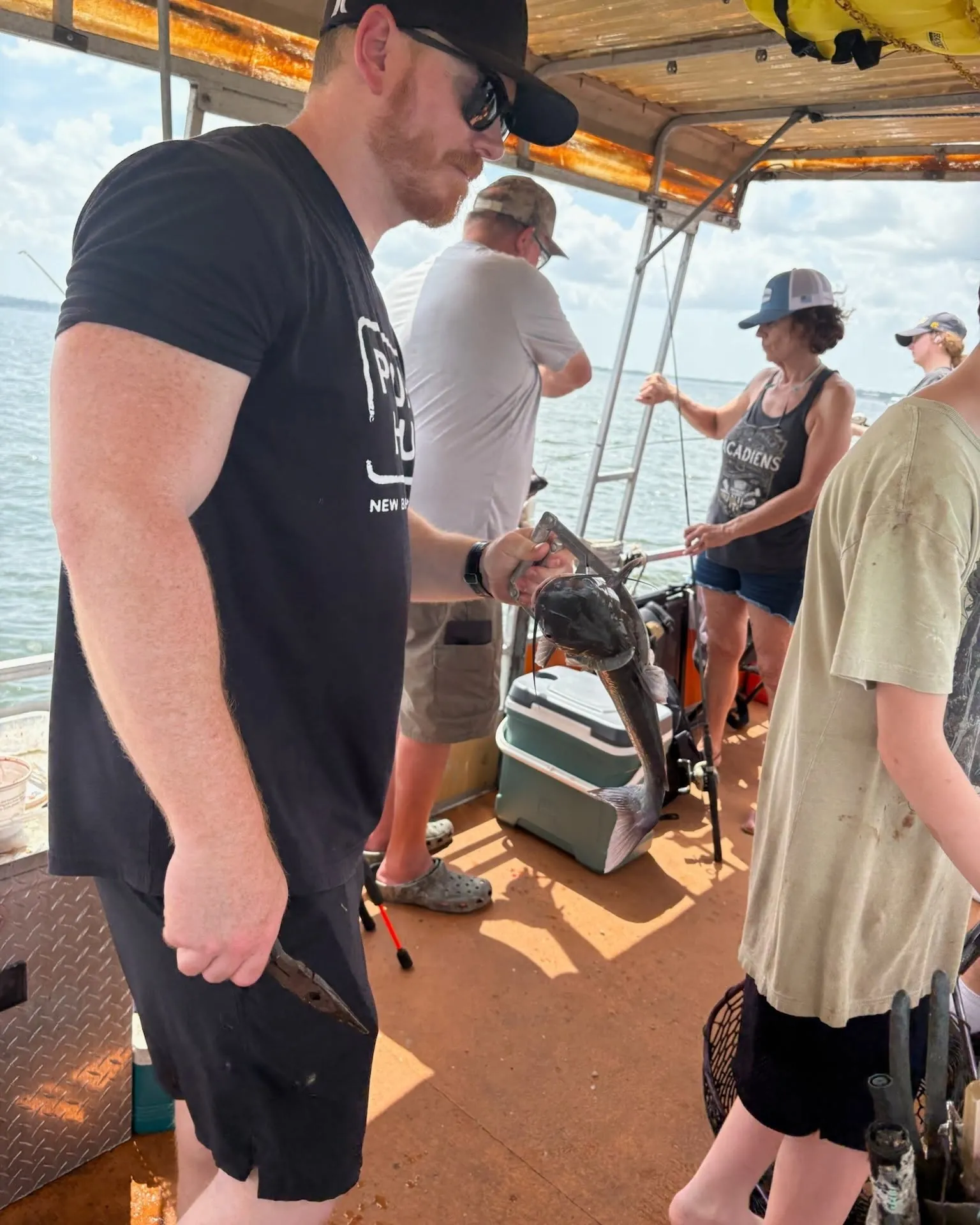
Catfish fishing is often calmer than the picture people have in their head of running from bank to bank and casting nonstop. Once the boat is set up in promising water, rods can be placed where everyone can watch them. The group has time to ask questions, help with bait, take turns, and enjoy the lake while still staying ready for a bite.
That pace can be especially useful on a family trip. It gives younger anglers a chance to understand what they are doing before the action starts. It also lets a guide make small adjustments to bait, depth, or position without making the boat feel rushed. When the bite slows, the answer may be to wait, change something small, or move to a different piece of water. That decision depends on the actual day, not a promise from a fishing report.
Lake Conroe's lower two-thirds are mostly open water with shorelines dominated by bulkheads and boat docks, while the upper reaches include standing timber along the river channel. The state notes that some of that timber can be slightly submerged and hazardous at normal lake level. A guided trip is useful here because it combines the fishing plan with safe boat handling and a realistic choice of water for the group. The Lake Conroe map and area guide gives visitors a feel for why the lake changes so much from one end to another.
Bait, depth, and the value of a simple plan
Catfish do not require a pile of fancy gear to be interesting. Texas Parks and Wildlife specifically calls out smelly baits and cut shad as productive choices for Lake Conroe channel catfish. The point is not to carry every bait in the tackle store. It is to present a bait that makes sense for the fish, the water, and the conditions.
Depth is part of the decision too. Fish may relate to channels, depth changes, bait movement, or a feature that gives them a reason to hold in one area. That is why copying a single "best depth" from the internet is rarely a full plan. A sunny summer morning, a cloudy day after rain, and a windy afternoon can all change where it is most comfortable and productive to fish.
Patience belongs in the plan as well. A rod sitting still does not always mean nothing is happening; fish may be moving through the area, the bait may need time, or a small adjustment may be enough. On the other hand, staying in unproductive water just because it looked good an hour ago can waste the trip. That is the difference between owning gear and having a guide who is watching the day unfold.
For a first Lake Conroe trip, simple is usually better. Ask about the target fish, bring the items Billy recommends, and let the guide handle the small decisions that add up during the day. The Fishing Trips page explains the relaxed, family-friendly approach; a quick phone call is the right place to confirm what to bring and what catfish plan makes sense for your date.
How to decide whether catfish fit your group
Start with the people, not the species. A group of experienced bass anglers may want an active casting plan and a more technical day. A family with a young child may prefer a setup where everyone can watch rods, stay under cover, and get help as soon as a fish bites. Catfish can be a strong match for the second group because the goal is shared action and a comfortable pace, not proving who knows the most about fishing.
It also helps to be honest about the trip's real priority. Is the group coming to learn? To give a child a first fish? To catch dinner if conditions allow? To enjoy time together on the lake? Each answer can point the day in a slightly different direction. A good guide does not have to make every group chase the same result. He can choose the target and pace that gives the people on the boat the best chance to enjoy themselves.
Visitors should also leave room for conditions to matter. A catfish plan can be a better fit than a bass plan on one day, then need a different approach after a major front, a water-level change, or a hot stretch of weather. That is not a bait-and-switch. It is what local fishing judgment looks like. The goal is a productive, safe, enjoyable trip rather than a promise built around one phrase on a calendar.
When you call, give Billy the basics: your preferred date, the number and ages of people in the group, whether anyone is new to fishing, and whether the day is more about steady action or a particular species. Those details help him recommend a plan before anyone steps on the boat. They also make it easier to set the right expectations for the weather, the lake, and the fish.
When catfish can be a good target
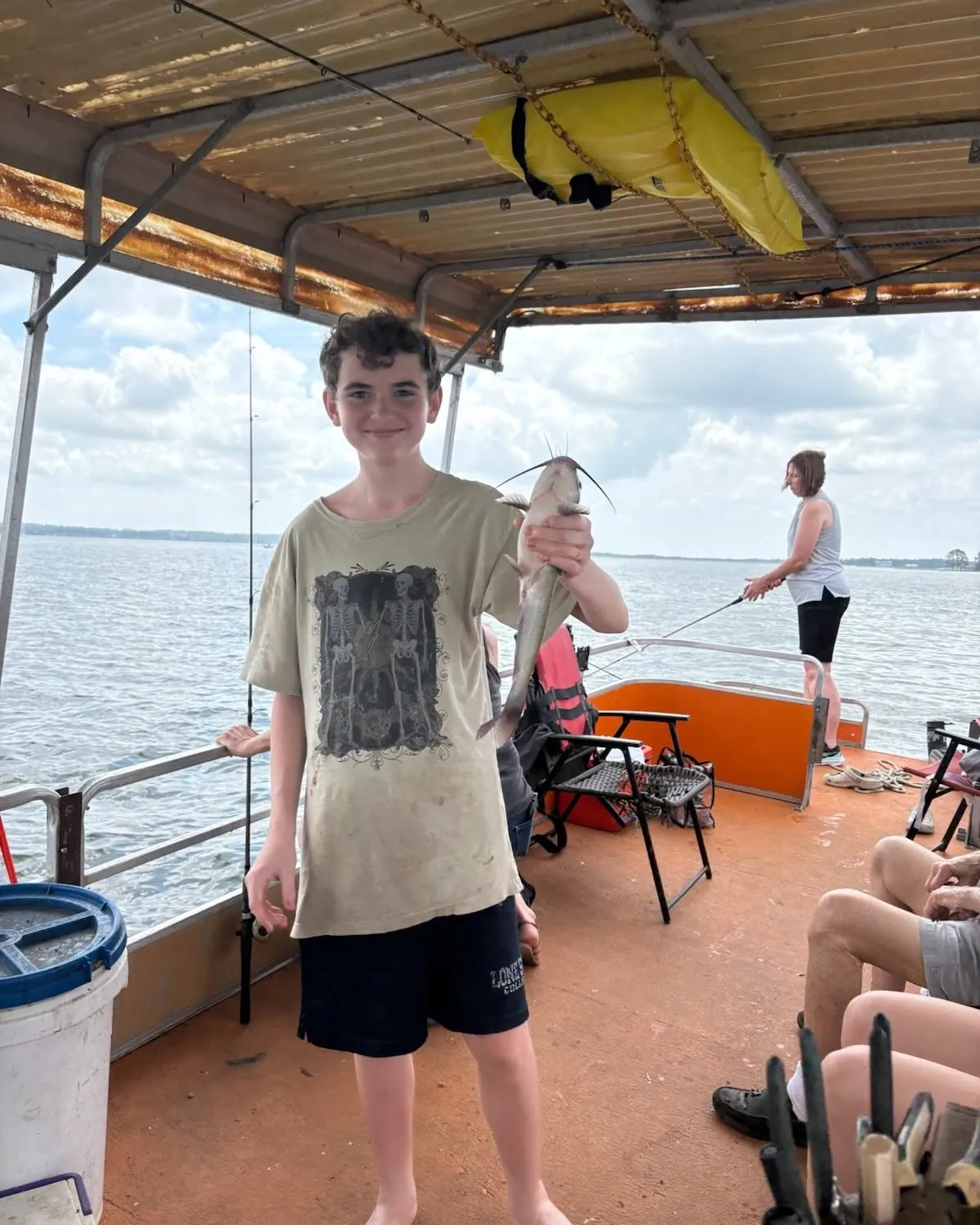
Catfish are available year-round, but the best plan still changes with the season. In hot weather, comfort becomes part of the fishing decision. An earlier start, shade, water, and a reasonable pace can make a major difference for kids and adults alike. During cooler stretches, the group may have more flexibility on timing, but fronts and wind can still change the bite.
Rain is another reason not to treat a calendar as a guarantee. A passing shower may be manageable, while lightning, strong wind, muddy runoff, or fast-changing conditions may call for a different plan. Before leaving home, check the Lake Conroe weather guide for the forecast details that matter on the water, then talk with Billy about the group and the trip you want.
Water level can change the way a lake feels as well. It can affect ramps, shoreline cover, boat lanes, and where anglers choose to spend their time. The Lake Conroe water level guide explains the lake's conservation pool and why checking current conditions is useful before a boating day. The practical takeaway is simple: catfish give you options, but conditions choose the details.
Catfish for kids and first-time anglers
A first-time angler does not need to know every knot, species, or lake term before getting on the boat. Catfish are a good teaching fish because the setup can be straightforward: watch the rod, wait for the bite, keep the line tight, and let the guide help with the rest. It gives a child or beginner a clear job without asking them to master a difficult cast before anything fun happens.
The best family trip balances action with attention span. Younger kids often do better when there is a chance to touch bait, ask questions, watch for bites, and celebrate every fish instead of waiting hours for one trophy moment. Adults who have not fished in years often appreciate the same thing. A patient plan makes the lake less intimidating.
Catfish also give a group room to enjoy the whole outing. There is time to take photos, share snacks, look around the lake, and help each other. That does not make it less real. It makes the trip fit the people who are actually on it. For visitors choosing between a self-guided day and a local trip, the Lake Conroe fishing guides page explains what Billy can help with before and during the day.
Keeping fish and following the rules
If the group hopes to keep fish, treat that as part of the conversation before the trip rather than an assumption at the dock. Current rules, size limits, possession limits, and license requirements belong with Texas Parks and Wildlife, not with an old social post or somebody's memory from five years ago. Check the agency's Lake Conroe fishing regulations before you go.
Most visitors also need a Texas freshwater fishing license unless an exemption applies. The Texas fishing license page explains the current options and exemptions. Taking two minutes to check before the trip is easier than trying to sort it out at the ramp.
A guide can help a group handle fish carefully and make a sensible plan for the day, but each angler is still responsible for following the applicable rules. That is especially important when several people are fishing together and the cooler starts filling up. Good fishing memories last longer when the group starts with the right expectations.
Let Billy match the catfish plan to the day
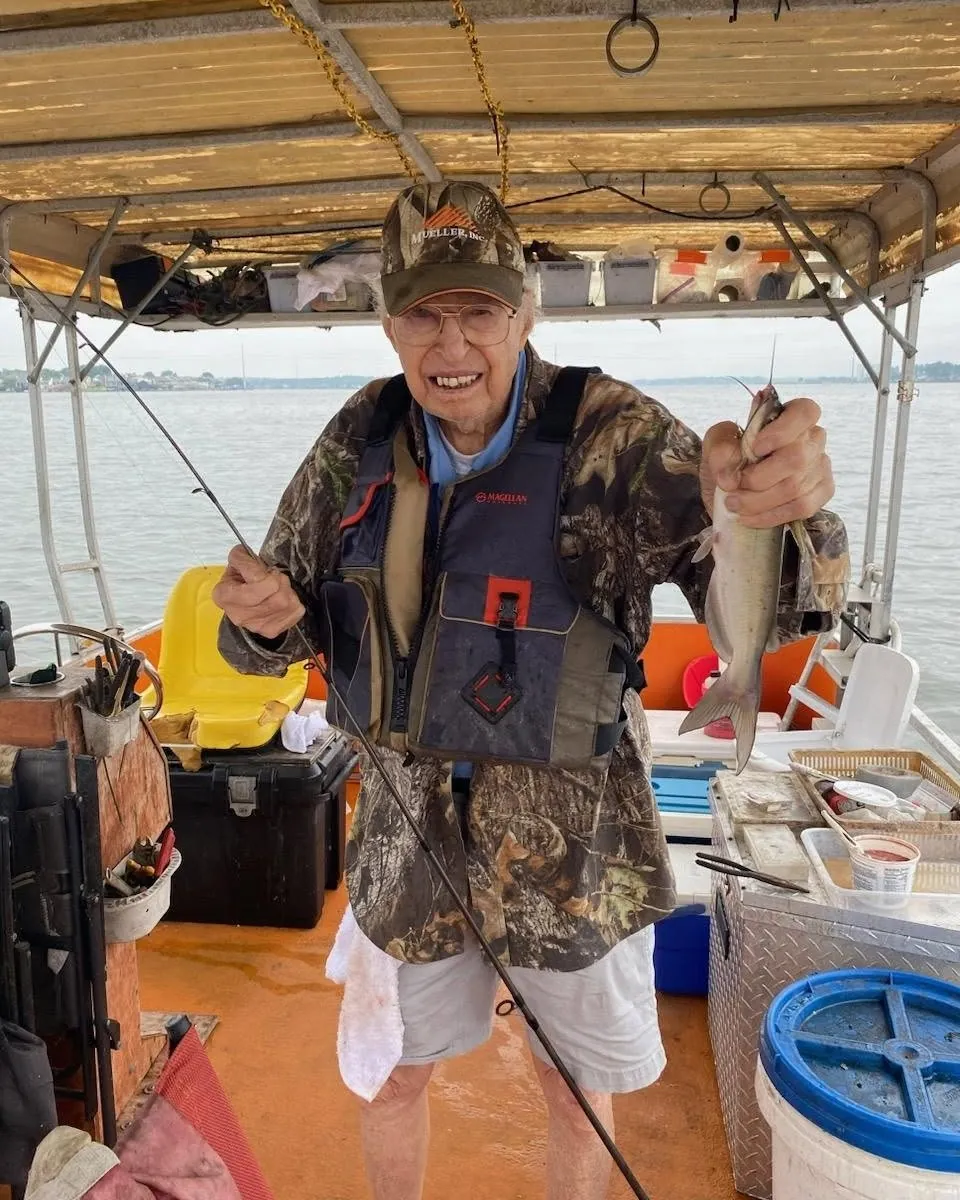
A Lake Conroe catfish trip is not about guarding a magic location. It is about making the right calls as the day unfolds: where to begin, what bait to use, whether to wait or move, and how to keep the group comfortable. Billy has spent most of his adult life fishing Lake Conroe, and that experience helps visitors skip the part where they spend the morning guessing.
Call Billy with the date, the number of people in the group, and whether the goal is steady family action, a first fishing experience, or a specific species. He can talk through whether catfish are a sensible target and what a comfortable day on the water looks like. The Lake Conroe fishing page is a helpful overview before you call.
Frequently asked questions
Are catfish easy to catch on Lake Conroe?
Catfish can be a dependable Lake Conroe target, especially when the trip plan matches the day’s conditions. Texas Parks and Wildlife identifies channel catfish as the lake’s most abundant sportfish, but water, weather, bait, and location still matter.
What bait works for Lake Conroe catfish?
Texas Parks and Wildlife lists smelly baits and cut shad as productive options for channel catfish on Lake Conroe. The right bait and presentation can change with the conditions, so it helps to ask what has been working before the trip.
Can kids catch catfish on Lake Conroe?
Yes. Catfish can be a strong choice for kids and first-time anglers because the approach can be patient and easy to understand. A guide can set up the rods, help with bites, and keep the day moving without turning it into a technical fishing lesson.
Do I need a fishing license to catch catfish on Lake Conroe?
Most anglers need a valid Texas freshwater fishing license, although exemptions apply in some situations. Check current Texas Parks and Wildlife licensing and Lake Conroe regulations before your trip because rules can change.
Thinking about a Lake Conroe catfish trip?
Call Billy to talk through the date, the group, and the kind of fishing day you want.
Related posts
Lake Conroe Fishing Pier: What to Know Before You Go
A practical guide to Lake Conroe fishing piers, public access, private marinas, shore-fishing plans, rules, and when a boat is the better fit.

Lake Conroe Fishing Report: What to Check Before You Go
A practical Lake Conroe fishing report guide covering lake level, weather, fish, safety, and how to plan a better day on the water.
Lake Conroe Depth Map: How to Read It Before Fishing
How to use a Lake Conroe depth map, understand contour lines, check the current lake level, and make a safer fishing plan.