Where to Fish Lake Conroe: A Practical Area Guide
A practical guide to choosing Lake Conroe fishing areas, from coves and cover to open water, bridges, weather, and a better trip plan.
When people ask where to fish Lake Conroe, they are usually hoping for a simple answer: a named cove, a bridge, a dock line, or a bank they can pull up to and start catching fish. The more useful answer is that Lake Conroe has several kinds of fishable water, and the right starting area changes with the species, weather, water conditions, and people on the boat.
Texas Parks and Wildlife describes Lake Conroe as a reservoir with largemouth bass, catfish, crappie, white bass, hybrid striped bass, bluegill, standing timber, docks, riprap, bridge pilings, and brush piles. That variety is good news for anglers. It also means a good day begins by choosing the right kind of water, not by chasing a rumor about one secret spot.
Start with the kind of day you want
Before looking at a map, decide what would make the trip successful. A serious bass angler may be happy working cover and moving often. A family with young kids may have more fun where the boat can settle into a calm, comfortable rhythm and everyone has a simple job. Visitors who want a relaxed day may care more about steady action, shade, and safe boat handling than about a difficult trophy pattern.
That choice narrows the lake quickly. Lake Conroe has long open stretches, protected coves, shoreline cover, bridge areas, docks, and upper-lake timber. The Lake Conroe fish guide can help match the target species to the group, while the Fishing Trips page explains the kind of straightforward, family-friendly day Billy plans.
A good fishing area is not necessarily the most famous area. It is the area that gives your group the best chance to be comfortable, understand what they are doing, and stay around the kind of fish that makes sense for the date. That is why experienced guides start with conditions and a group conversation before they pick a route.
Use the lake map to get oriented, not to find a secret spot
A map is still useful. It helps you see the size of the lake, the roads around it, the difference between broad open water and smaller arms, and why one launch can put you close to very different fishing situations than another. The Lake Conroe map and area guide is a good starting point for visitors who need the basic layout before they get on the water.
What a map cannot show is how the lake is fishing at that moment. It cannot tell you whether last night's wind pushed bait toward one side of a point, whether muddy runoff changed the upper lake, whether a popular stretch is crowded, or whether fish have moved deeper with the heat. A pin on a map gets you oriented. It does not replace reading the water.
Texas Parks and Wildlife's Lake Conroe fishing page is helpful because it identifies the types of structure worth understanding: standing timber, riprap, bridge pilings, boat docks, and brush piles. Think of those as a field guide to useful water, not a list of guarantees.
Protected coves and shoreline cover can simplify the day
Coves and protected shoreline stretches often make sense when the wind is up, when beginners are aboard, or when the fish are relating to shade and shallow cover. Docks, bulkheads, brush, and protected edges can give fish a place to hold while also giving the boat a more manageable place to fish.
These areas are not automatically shallow-water spots or kid-only water. Depending on depth and cover, they can hold bass, catfish, crappie, bream, and baitfish. The important question is whether the cover, water depth, and conditions fit the species you are pursuing. For a family day, that can matter more than whether the spot looks impressive on a map.
Shoreline areas also reward patience. Instead of rushing from one point to another, anglers can slow down, make manageable casts, watch the line, and learn why shade, depth, or cover matters. That makes a guide useful for first-timers: Billy can keep the boat positioned, explain the next cast, and decide when it is time to move.
Bridge areas, timber, and deeper edges need judgment
Bridge areas, timber, channels, and deeper edges can be productive because they combine depth changes, current movement, shade, vertical structure, and places for bait to gather. They can also be harder to fish safely and effectively, especially for someone who is new to the lake or running a boat in changing water.
The upper reaches of Lake Conroe contain standing timber. Texas Parks and Wildlife notes that some timber can be slightly submerged around conservation pool and hazardous for navigation. That is a good reason to treat unfamiliar structure with respect. Getting close to a productive-looking area is not worth damaging a boat or putting people in a bad position.
Different fish use the same structure differently. Crappie may relate to brush, bridges, or other vertical cover, while bass may use nearby shade, docks, points, or deeper structure. The Lake Conroe crappie guide explains why cover and depth matter for a calmer, more focused style of fishing. For bass, a guide may need to work the structure differently and move faster as conditions change.
Open water can be right when the fish and weather say it is
Open water can look empty to a first-time visitor, but it can be exactly where the action is when bait and active fish are moving. White bass and hybrid striped bass may chase bait away from the shoreline, while wind can create feeding opportunities on one side of a point, a bridge approach, or an open-water edge.
The tradeoff is comfort and safety. Open water feels very different when wind builds, boat traffic increases, or summer heat settles in. A family may be better off beginning in a protected area and moving only when the conditions and group are ready. The Lake Conroe weather guide covers the forecast details that matter most before a trip, including wind, heat, lightning risk, and rain timing.
A guide is valuable here because the decision is rarely only about fish. Billy can weigh the ride, the water, the people on the boat, and the likelihood of the pattern holding up. That keeps the day from becoming a long run across the lake just because somebody heard fish were caught there yesterday.
Water level and weather can change the best area overnight
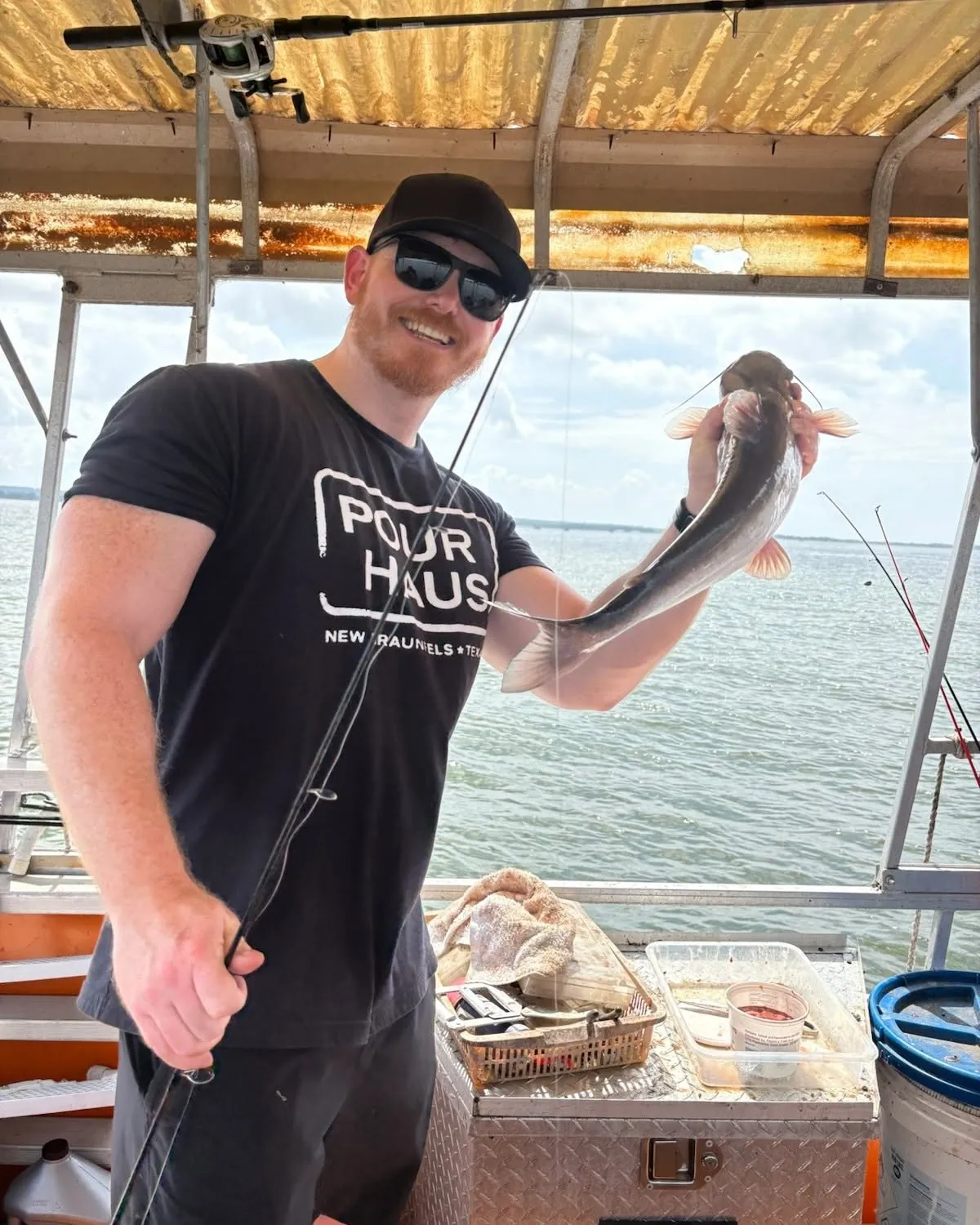
A fishing area that made sense last week may be wrong after a strong storm, a hard front, a hot spell, or a meaningful water-level change. Rain can affect visibility and runoff. Wind can make an exposed stretch uncomfortable. Lower water can change ramp conditions, shoreline cover, boat lanes, and how close it is sensible to get to certain structure.
That does not mean changing conditions cancel a trip. It means the plan needs to change with them. Before heading out, review the Lake Conroe water-level guide and the daily forecast. Then be ready to fish a different depth, a different side of the lake, or a different species than the original plan.
This is especially important for visitors who have only one day on the lake. A local guide can choose a safer, more sensible starting area and adjust faster than someone trying to learn the lake between casts. That local flexibility is usually more valuable than a screenshot of last month's catch.
Bank fishing and public access require a little homework
Lake Conroe can be fished from the bank in some public-access areas, but access, parking, fishing room, and conditions vary. Before you make the drive, use Texas Parks and Wildlife's Lake Conroe access information to confirm public options and read any rules that apply where you plan to go.
Bank fishing is a different experience from a boat trip. You have fewer options when wind, water level, crowding, or fish movement changes the bite. A good bank location can still be a relaxing way to spend time around the lake, especially when the goal is simple tackle and a few hours outdoors. Just keep expectations realistic and give yourself room to move if the spot is not producing.
A boat or guided trip opens more of the lake's cover, depth changes, and open-water opportunities. That matters when the fish are not near the easy-access bank. It also makes it easier to choose a different plan without ending the day.
Pick the water for the fish you want to catch
Catfish, crappie, bass, white bass, hybrids, and bream do not all use Lake Conroe in the same way. If your group wants a patient family-friendly target, the Lake Conroe catfish guide can help explain why a slower, simpler setup may be the right fit. If someone wants a more technical bass day, the plan may involve more casting, cover, and moving.
Texas Parks and Wildlife's current Lake Conroe fishing regulations should be part of the plan too, especially if you expect to keep fish. Species limits and size rules matter, and they can change. Check the current rules before the trip rather than relying on an old social post or a conversation at the dock.
The best fishing area is the one that fits the fish, the conditions, and your group. A local guide gives you a better way to make that choice because the plan can respond to what the lake is doing instead of forcing the lake to match a preset idea.
How Billy helps guests start in the right place
Billy Mills Git-A-Guide is built for people who want to enjoy Lake Conroe without spending their first few hours guessing. Billy can talk through your date, experience level, group size, comfort needs, and target fish before the trip, then choose a starting area that gives the day a practical shape.
That does not mean promising a certain fish or one fixed location. It means beginning with useful local knowledge, safe boat handling, straightforward tackle, and a willingness to move when the conditions call for it. The Lake Conroe overview and guide trip page are good next reads for visitors deciding whether a guided day is the right fit.
If you want less guessing and more time enjoying the water, call Billy before you pick the day. A quick conversation can turn a broad question like where to fish Lake Conroe into a realistic plan for the people you are bringing.
Frequently asked questions
Where is the best place to fish on Lake Conroe?
There is no one best place for every trip. The best Lake Conroe area depends on the fish you want to catch, the season, weather, water level, wind, boat traffic, and the experience level of the people on the boat. Start with a type of water and adjust to the actual conditions.
Can you fish from the bank at Lake Conroe?
Yes, but bank access and fishing quality vary by area. Texas Parks and Wildlife lists public access information for Lake Conroe, and anglers should confirm access rules, parking, and conditions before they go. A boat or guided trip reaches more of the lake's productive cover and open water.
What Lake Conroe areas are good for beginners?
Protected coves, calm shorelines, and cover that allows a simple presentation can be easier for beginners than running open water in wind. The right area still depends on the day, so a guide can choose a comfortable starting point and change the plan when conditions shift.
Do I need a fishing license for Lake Conroe?
Most anglers need a valid Texas freshwater fishing license, although exemptions can apply. Check current Texas Parks and Wildlife license and lake-specific fishing rules before your trip because requirements and limits can change.
Start with the conditions, not a rumor.
Call Billy to talk through the fish, weather, and Lake Conroe area that make sense for your trip.
Related posts
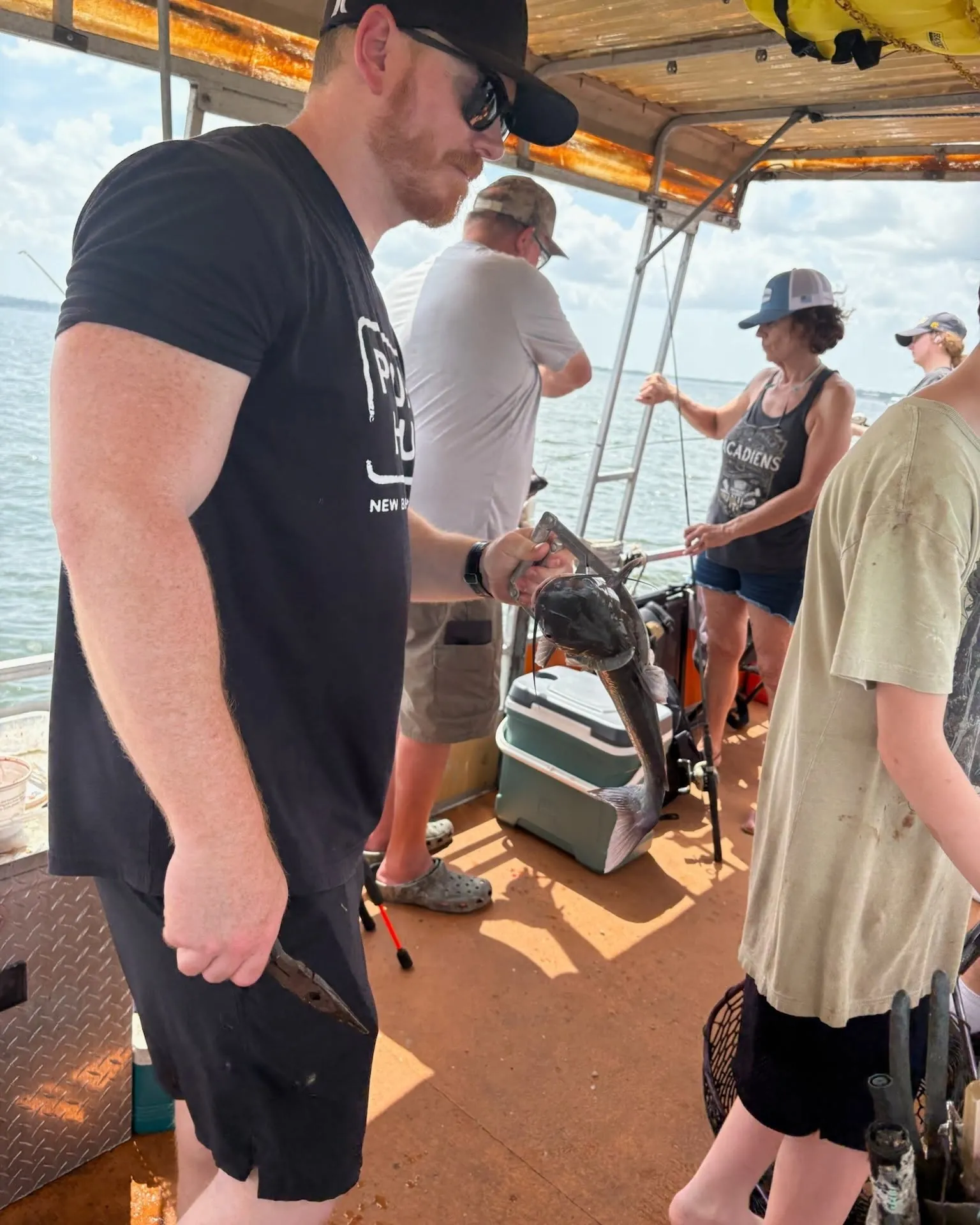
Lake Conroe Fishing Pier: What to Know Before You Go
A practical guide to Lake Conroe fishing piers, public access, private marinas, shore-fishing plans, rules, and when a boat is the better fit.

Lake Conroe Fishing Report: What to Check Before You Go
A practical Lake Conroe fishing report guide covering lake level, weather, fish, safety, and how to plan a better day on the water.
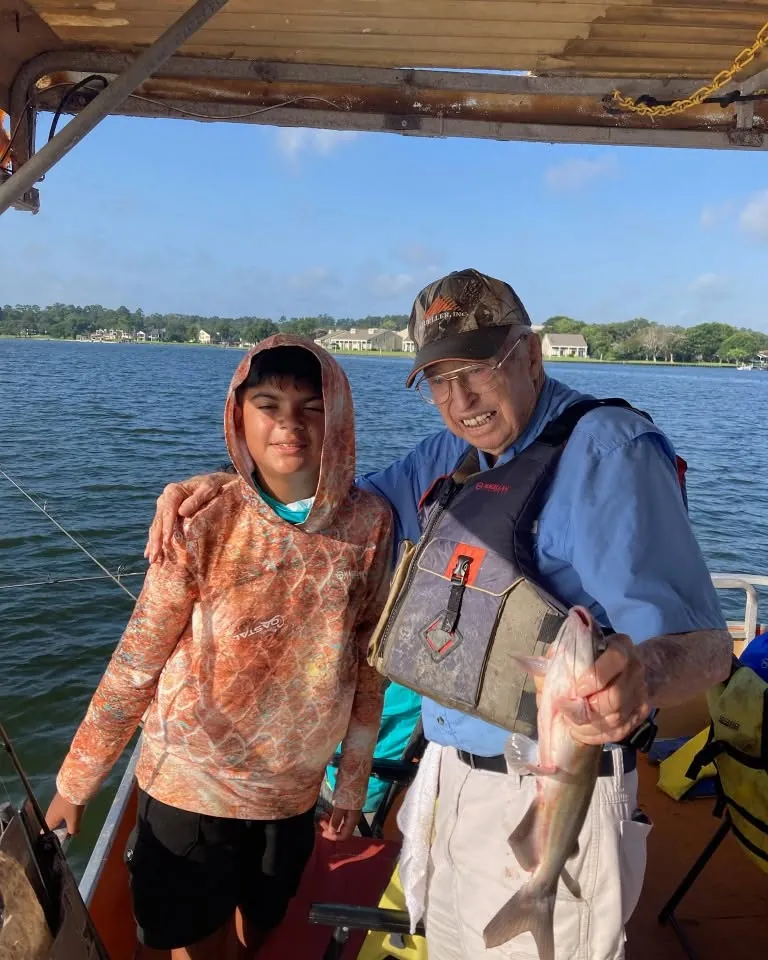
Lake Conroe Depth Map: How to Read It Before Fishing
How to use a Lake Conroe depth map, understand contour lines, check the current lake level, and make a safer fishing plan.