Lake Conroe Crappie Fishing: A Practical Guide
A straightforward Lake Conroe crappie guide covering seasons, cover, tackle, family trips, current rules, and how a local guide helps.
Lake Conroe crappie fishing is a strong option for anglers who want a good meal, a clear plan, and a calmer style of fishing than running from bank to bank all day. Crappie are popular here for a reason. Texas Parks and Wildlife says Lake Conroe offers good crappie opportunity, with good catches possible in early spring and fall. The same agency's Lake Conroe survey says both black and white crappie have provided angling opportunities on the lake.
That does not mean every day is a simple limit of fish. Crappie move with season, water temperature, cover, bait, weather, and boat traffic. The useful question is not where one person caught fish last month. It is how to build a Lake Conroe crappie plan around the actual day and the people in your group.
Why crappie are worth planning around
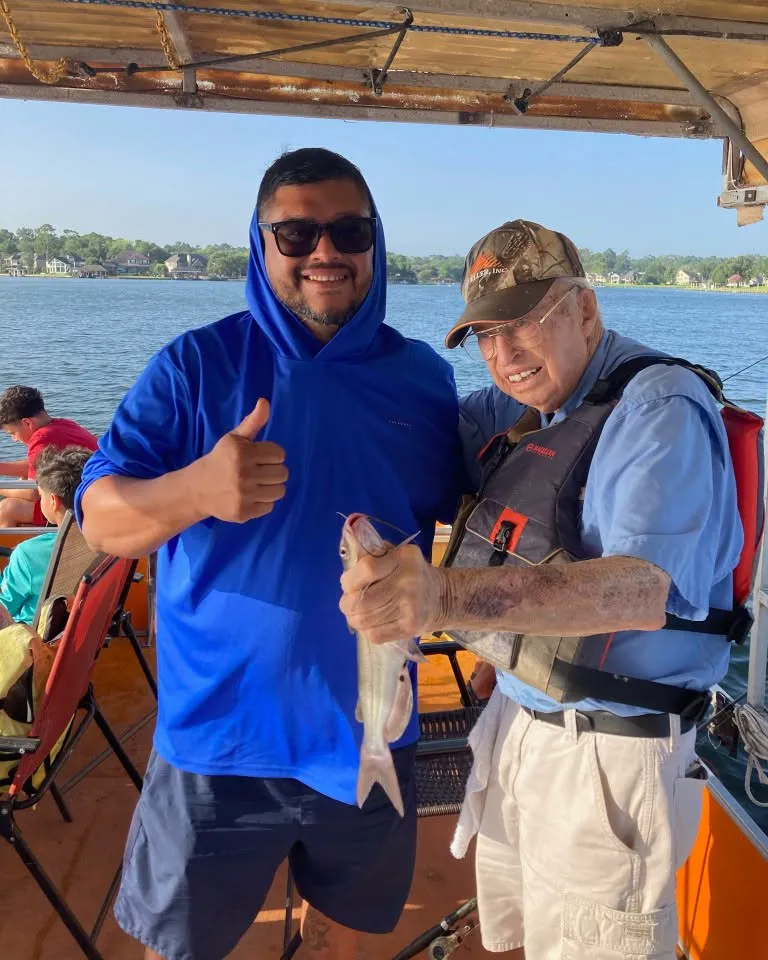
Crappie give a Lake Conroe trip a different rhythm. They are a sought-after table fish, and they reward a patient approach around the right cover. That can suit visitors who want a real fishing day without making every person on the boat cast difficult lures for hours. When the bite lines up, the action can feel focused and exciting because several fish may use the same piece of cover.
For families and first-time anglers, that focus matters. Instead of trying to understand the entire lake at once, a guest can learn a few useful things: watch the line, keep the bait at the right depth, feel for a light bite, and let the guide help with the rest. It is still real fishing, but it is easier to share with a child, a grandparent, or someone who has not held a rod in years.
Crappie also give people a clear reason to pay attention to conditions. Lake Conroe is a large reservoir with open water, docks, bridge areas, coves, submerged timber, and brush. A visitor can see the water but not always the structure below it. The Lake Conroe map and area guide explains why one part of the lake can feel very different from another.
Start with cover, not a secret spot
Crappie commonly relate to places that give them a reason to hold: brush, timber, bridge structure, docks, shade, depth changes, and bait nearby. Texas Parks and Wildlife specifically points Lake Conroe anglers toward artificial habitat structures, major bridges, and some piers on points as productive types of places to consider. Those are patterns, not a promise that one named piling will produce every morning.
That distinction keeps expectations honest. A bridge may offer shade and vertical structure, while a brush pile may offer cover and a place for smaller fish to gather. Wind, sunlight, water clarity, recent rain, and fish movement can decide whether crappie are using that structure today, at what depth, and whether it is worth staying or moving.
Lake Conroe also has water that deserves respect. Texas Parks and Wildlife notes that some standing timber in the upper reaches can be slightly submerged around conservation pool and hazardous for navigation. A guide does more than point a rod at cover. He chooses a safe approach, keeps the boat positioned, and moves when the conditions say the next piece of water is more likely to produce.
When crappie fishing can be at its best
Early spring and fall get the most attention for Lake Conroe crappie, according to Texas Parks and Wildlife. Those seasons can bring comfortable weather and fish using predictable types of cover, but the calendar is only a starting point. A warm spell, a hard front, wind, rain, or a change in water level can adjust the plan quickly.
In warmer weather, an early start can make the trip more comfortable and can help the group fish before the worst heat and boat traffic build. During cooler stretches, the lake may feel easier for a longer day, but wind and fronts can still affect where the boat should sit and how much patience the group needs. The Lake Conroe weather guide covers the forecast details that matter on the water, including heat, storms, and wind.
Water level belongs in the same conversation. A change in level can affect ramp conditions, shoreline cover, navigation, and the way a part of the lake fishes. It does not automatically make a crappie trip good or bad. It means the starting plan needs to match the water that is actually there. Before a weather-sensitive day, check the Lake Conroe water-level guide and call Billy for a local read.
Keep tackle simple and pay attention to depth
Crappie fishing does not require a mountain of gear. Small jigs and minnows are common starting points because they let anglers present a small bait close to the cover where crappie may be holding. The practical part is presentation. The bait has to be near the fish, not simply somewhere in the lake.
That is why depth is often more important than a color someone swears by online. Crappie may sit above, beside, or below a piece of cover depending on light, temperature, bait, and water conditions. A guide can help adjust the line, the boat position, and the pace without asking a beginner to understand every piece of electronics or every detail of the lake.
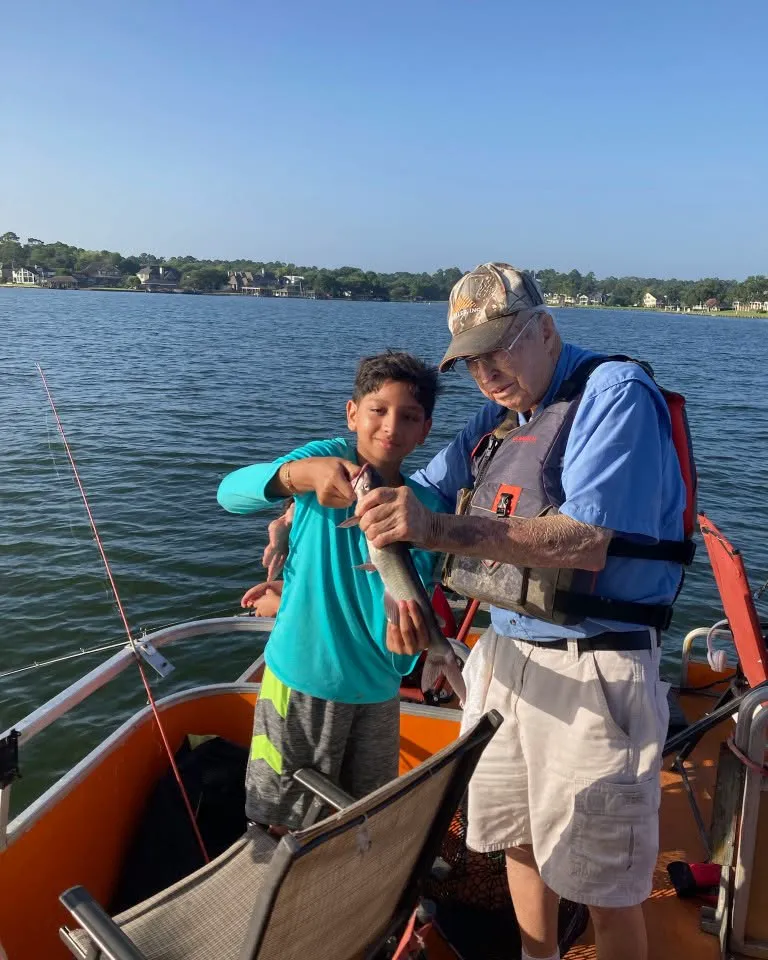
Light bites are another reason a simple setup helps. New anglers can keep their attention on a small movement in the line or rod tip instead of fighting overly complicated tackle. When a fish bites, the goal is not a perfect tournament hookset. It is a calm response, a steady line, and someone nearby who can help bring the fish to the boat.
A simple plan for first-time crappie anglers
The easiest way to make a first crappie trip frustrating is to arrive with a complicated plan and no room for conditions. A better approach starts with a few basics: a valid license if one is required, clothing that fits the forecast, drinking water, sunscreen, sunglasses, and a willingness to let the fish decide the details. You do not need to bring a tackle-store inventory to enjoy the day.
Let the first part of the trip be about finding the right kind of water. The boat may check cover, work a depth, and make small adjustments before the first fish comes over the rail. That is normal. The point is to learn from the water instead of treating the first place that looks good as a permanent answer. When the guide finds a productive pattern, guests can settle in and focus on fishing rather than on figuring out where to go next.
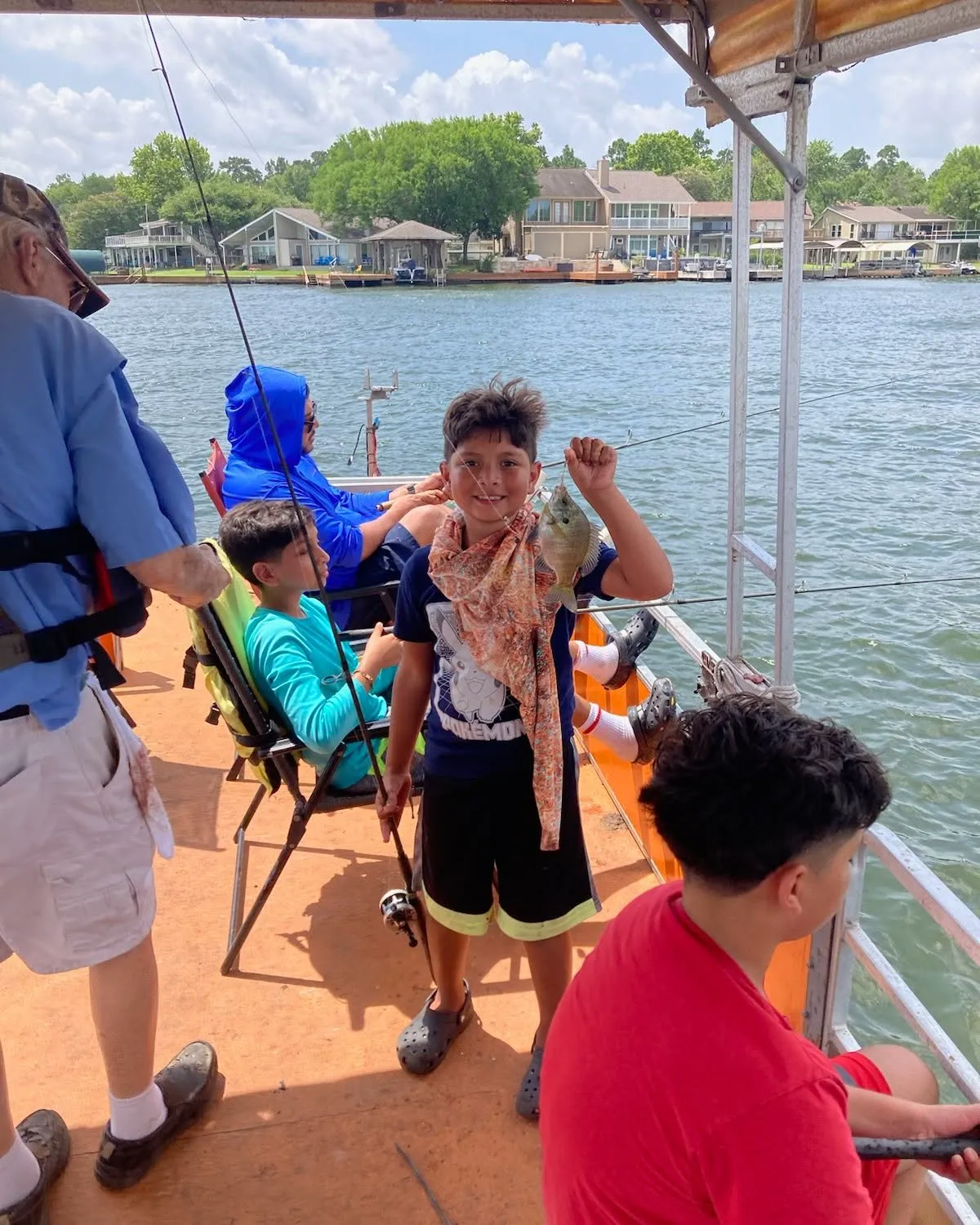
Families do especially well when each person has a simple role. One guest watches a rod tip. Another holds the net when asked. A child can learn how to keep the line from tangling and how to lift a fish gently from the water. Those small jobs give everyone a part in the day without putting pressure on anyone to be an expert.
It also helps to decide ahead of time whether the group wants to keep legal fish, take photos, or simply learn. There is no wrong answer. The useful part is telling Billy what success looks like for your group so he can recommend a realistic crappie plan.
Conditions change the plan more than the calendar
Fishing calendars can be helpful, but they are not a reservation system for fish. Crappie may be easier to locate in certain seasons, then become less predictable after a cold front, muddy runoff, high wind, or a stretch of bright hot days. The lake is always moving, and the plan has to move with it.
Wind is one of the most important details for a family boat. It can make open water uncomfortable, complicate boat position near structure, and change which coves or bridge areas make sense to fish. A protected area can be a better choice than a famous-looking spot when the group includes young kids or anyone who prefers a calmer ride.
Rain calls for the same judgment. A light shower does not necessarily end a trip, but lightning, strong wind, floating debris, or fast-changing water conditions are different. The right decision is about safety first, then whether there is still a comfortable and fishable window for the people on the boat.
That is why calling before the date matters. Billy can talk through the season and the forecast, but he can also explain what the current conditions mean in plain language. You get a plan built for the day you actually have, not for a generic fishing report from another week.
Common mistakes that cost a Lake Conroe fishing day
The first mistake is treating a location as more important than a pattern. A productive bridge, dock, or brush pile can still be wrong if the fish are not using it at that depth or time. Good anglers pay attention to the type of cover, the water around it, and whether the bait is close to where fish are actually holding.
Another mistake is staying too long after the bite clearly says no. Patience matters around cover, but stubbornness is different. If the boat has given a spot a fair chance and the conditions point elsewhere, moving can be the smartest decision of the day. A guide makes those calls without turning every adjustment into a debate among people who came to relax.
Beginners also lose fish by rushing. Crappie bites can be subtle, so yanking the rod at every twitch can pull the bait away from a fish. Keeping the setup light and the instruction simple gives people a better chance to feel what is happening and respond calmly. Billy can show each guest what to watch for instead of expecting them to learn from a string of missed bites.
Finally, do not rely on old regulations or a social-media post for limits. The rules matter when fish are going in the cooler, and the current state page is faster to check than explaining a mistake later. A few minutes of preparation keeps the trip focused on the water, the fish, and the people sharing the day.
What a guided crappie trip changes
A visitor fishing Lake Conroe alone has to make every decision at once: where to launch, how to navigate, which cover to check, how deep to fish, when to move, and how to keep the group comfortable. That can be part of the fun for experienced anglers. For a family outing or an out-of-town visit, it can consume most of the day before anybody gets settled in.
Billy's value is local judgment. He can choose a practical starting area, rig the rods, help guests recognize a bite, and adjust when the first idea is not producing. The Lake Conroe fishing guides page gives a broader picture of the kind of trip Billy offers, while the Fishing Trips page explains the family-friendly approach.
The best guided day is not a promise of a certain number of fish. It is a day with less wasted time, clearer expectations, and a plan that fits the group. That is especially useful when kids are on the boat. They need attention, a comfortable pace, and enough action to keep the day fun.
Know the current rules before keeping fish
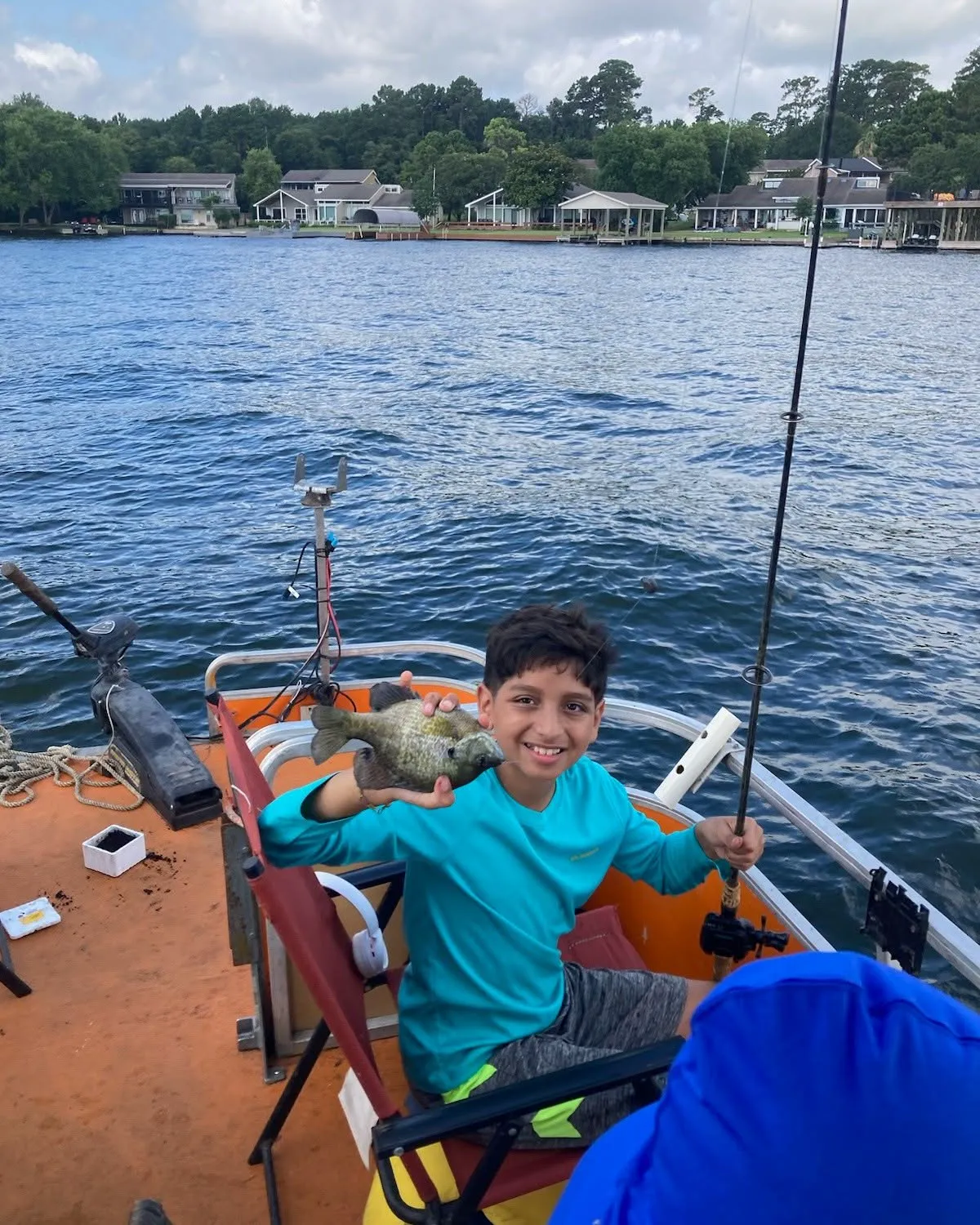
If crappie are going in the cooler, check the current rules before the trip. Texas Parks and Wildlife currently lists a 10-inch minimum length and a 25-fish daily bag limit for white and black crappie, their hybrids, and subspecies on Lake Conroe. The agency's Lake Conroe regulations page is the right source to check because regulations can change.
Most adult visitors also need a valid Texas freshwater fishing license unless an exemption applies. Check the state's fishing-license information before leaving home, rather than trying to sort it out at the ramp. A guide can help explain the plan for the day, but each angler remains responsible for following the applicable rules.
It also helps to decide what a successful day means before the first fish bites. Some groups want a few fish for dinner when it is legal and sensible. Others would rather take photos, learn the lake, and release what they catch. Having that conversation early makes the whole day easier.
Plan the Lake Conroe crappie day around your group
When you call Billy, share the date, how many people are coming, whether anyone is new to fishing, and whether the priority is family time, learning, or keeping a few legal fish. Those details are more useful than pretending every crappie trip should look the same.
Lake Conroe has the cover and fishery that make crappie worth considering. The better outcome comes from matching the target to the weather, water, and people on the boat. Billy can help make those calls before the day turns into a string of guesses.
Frequently asked questions
Is Lake Conroe good for crappie fishing?
Lake Conroe offers a real crappie opportunity. Texas Parks and Wildlife lists crappie as a good fishery on the lake and notes that early spring and fall can produce good catches, but the day still depends on weather, water conditions, cover, and fish movement.
What bait works for crappie on Lake Conroe?
Small jigs and minnows are common crappie options. The better choice can change with depth, water clarity, cover, and how active the fish are, so a simple setup that fits the conditions is usually more useful than carrying every option in the tackle aisle.
Can beginners catch crappie on Lake Conroe?
Yes. Crappie can be a good target for beginners when the fish are around the right cover and the tackle is kept simple. A guide can help set the depth, handle the boat, and give each person a clear job when a fish bites.
What are the Lake Conroe crappie limits?
Texas Parks and Wildlife currently lists a 10-inch minimum length and a 25-fish daily bag limit for white and black crappie, their hybrids, and subspecies on Lake Conroe. Check the current lake-specific regulations before keeping fish because rules can change.
Thinking about a Lake Conroe crappie trip?
Call Billy to talk through your date, your group, and the kind of fishing day you want.
Related posts
Lake Conroe Fishing Pier: What to Know Before You Go
A practical guide to Lake Conroe fishing piers, public access, private marinas, shore-fishing plans, rules, and when a boat is the better fit.

Lake Conroe Fishing Report: What to Check Before You Go
A practical Lake Conroe fishing report guide covering lake level, weather, fish, safety, and how to plan a better day on the water.
Lake Conroe Depth Map: How to Read It Before Fishing
How to use a Lake Conroe depth map, understand contour lines, check the current lake level, and make a safer fishing plan.