Lake Conroe Fishing Regulations: What to Check
A practical Lake Conroe fishing regulations guide covering licenses, fish limits, responsible handling, boat preparation, and where to confirm current rules.
A Lake Conroe fishing trip is more enjoyable when the rules are handled before the first cast. That starts with the basic questions: Does everyone who plans to fish have the right Texas license? Which fish can the group legally keep? What counts toward a bag limit? And what needs to happen at the ramp when the day is over?
The rules are not there to take the fun out of a family day on the lake. They protect the fishery, keep good fish available for future anglers, and help visitors avoid a surprise they could have prevented in a few minutes. This guide is a practical way to prepare, but the current Texas Parks and Wildlife page is always the final word before you fish or keep a fish.
Start with the current official Lake Conroe rules
Lake Conroe sits in Montgomery and Walker counties, but its fishing rules are managed through Texas Parks and Wildlife. The most useful page to check is the agency’s current Lake Conroe fishing regulations. It lists the lake-specific length and bag rules by fish group, rather than leaving you to guess whether a statewide rule applies here.
Check that page close to your trip, especially if you plan to keep fish. Rules can be updated, and a fishing video, old forum post, printed chart in a tackle box, or a search-result summary may be out of date. The official page also makes it easier to compare similar fish, which matters when a group catches bass, catfish, crappie, white bass, or hybrids in the same day.
Rules answer only part of the planning question. For a broader picture of the lake, including its main fish species, water conditions, and public information, start with Texas Parks and Wildlife’s Lake Conroe fishery overview. Then decide which species and pace fit the people in your group, not simply which fish sounds biggest.
Make sure everyone who will fish is covered
In Texas, a person who takes or attempts to take fish from public water generally needs a current fishing license with the appropriate freshwater endorsement. Texas Parks and Wildlife explains the requirements and exemptions in its general fishing regulations. Do not assume that being on a guided trip, fishing from a dock, or fishing for only an hour changes the requirement.
The easy habit is to settle the license question when the date is set, not while the boat is waiting at the ramp. Ask each adult in the group whether they plan to hold a rod. If children or older relatives are coming, confirm whether an exemption applies to them before the trip. Carry the license in the way Texas currently accepts, and keep the confirmation easy to find if an officer asks.
A license is also a good moment to reset expectations. If some guests want to fish while others want to ride along, say that up front. Billy can help make the boat day comfortable for families and first-time anglers, but each person who intends to fish should arrive prepared to do so legally.
Know the difference between catching and keeping
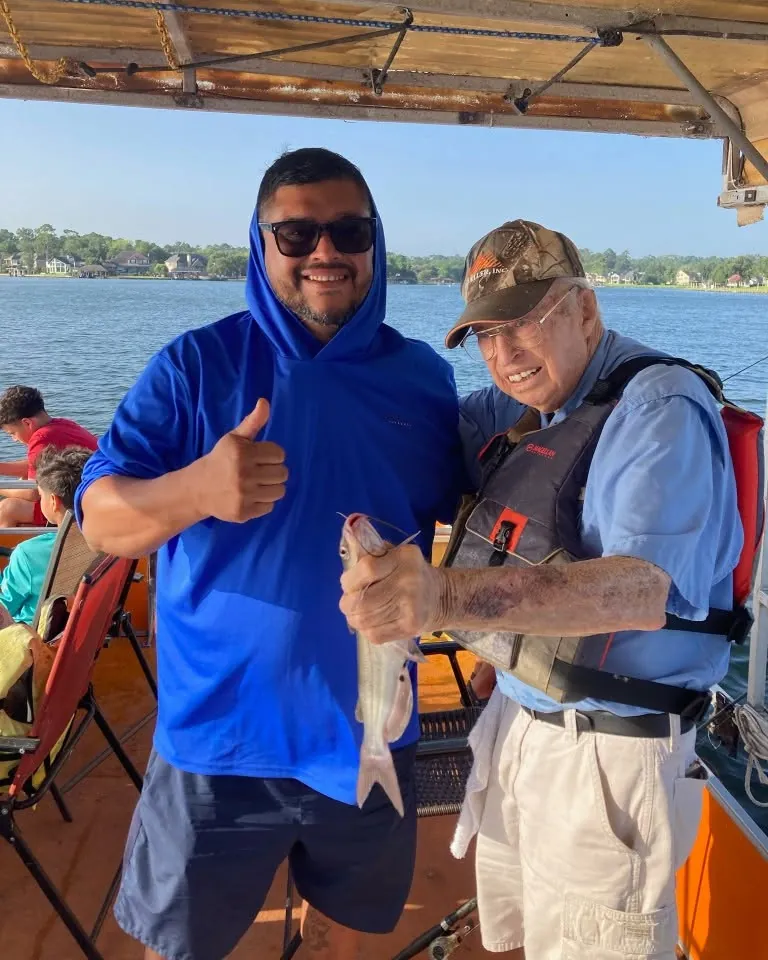
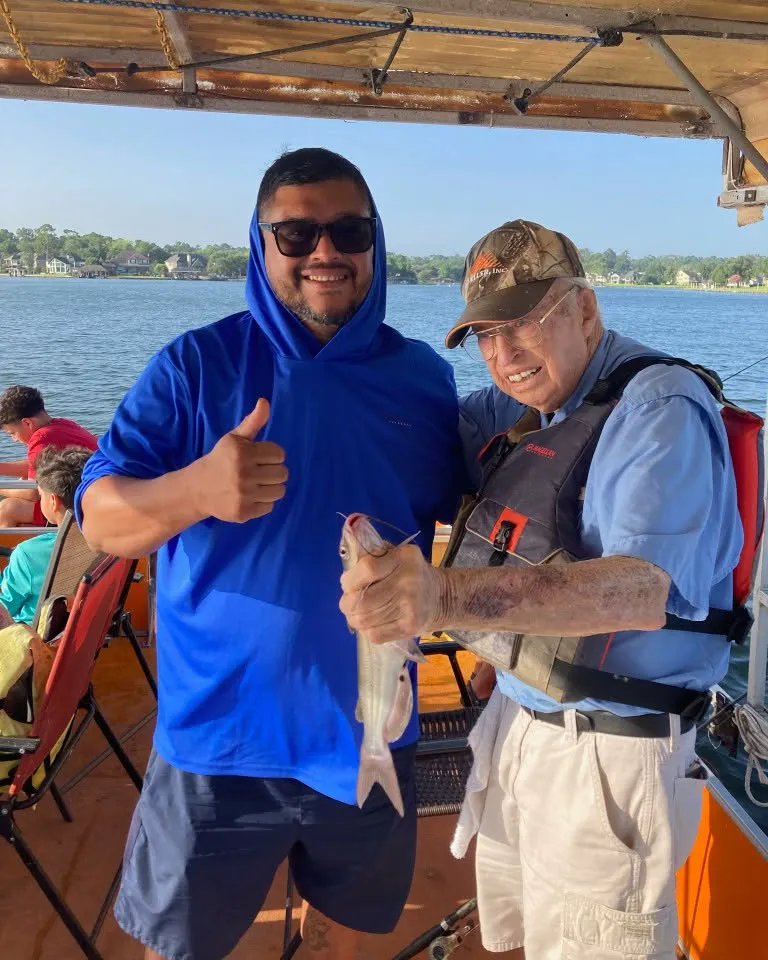
Catching a fish is exciting. Keeping it creates a responsibility. Once a fish is retained in a cooler, livewell, bucket, or on a stringer, it counts toward the applicable limit. That is why the cleanest approach is to decide early whether the group wants a meal, a photo, or mostly catch-and-release fishing.
Lake Conroe has special rules for some species. For example, the lake’s bass rules are not something to estimate from the fish’s weight or from a picture. Use a measuring board, identify the fish correctly, and check the current regulation before retaining it. The same principle matters for catfish, crappie, white bass, and hybrids, where size and bag rules may differ from another lake or from what a guest remembers.
Measure carefully and handle fish gently. Wet hands before touching a fish that will be released, support it rather than squeezing it, and return it to the water promptly. A fish that is not legal to keep should go back in good condition. A fish that is legal to keep still needs to fit the group’s actual plan, cooler space, and the day’s limit.
Use simple gear rules that keep the day safer
Most Lake Conroe guests will fish with rod and reel, which keeps the day simple for families and beginners. Texas’s general rules explain which devices and methods are legal for different fish and waters. That matters if someone brings extra gear from home, wants to use a cast net, or has a favorite setup that may not fit the fish they are targeting.
The practical rule is uncomplicated: keep the tackle plan matched to the fish, the people on the boat, and the day’s conditions. A beginner with a manageable rod, a clear instruction, and room to move safely is more likely to enjoy the trip than someone surrounded by unnecessary gear and conflicting advice.
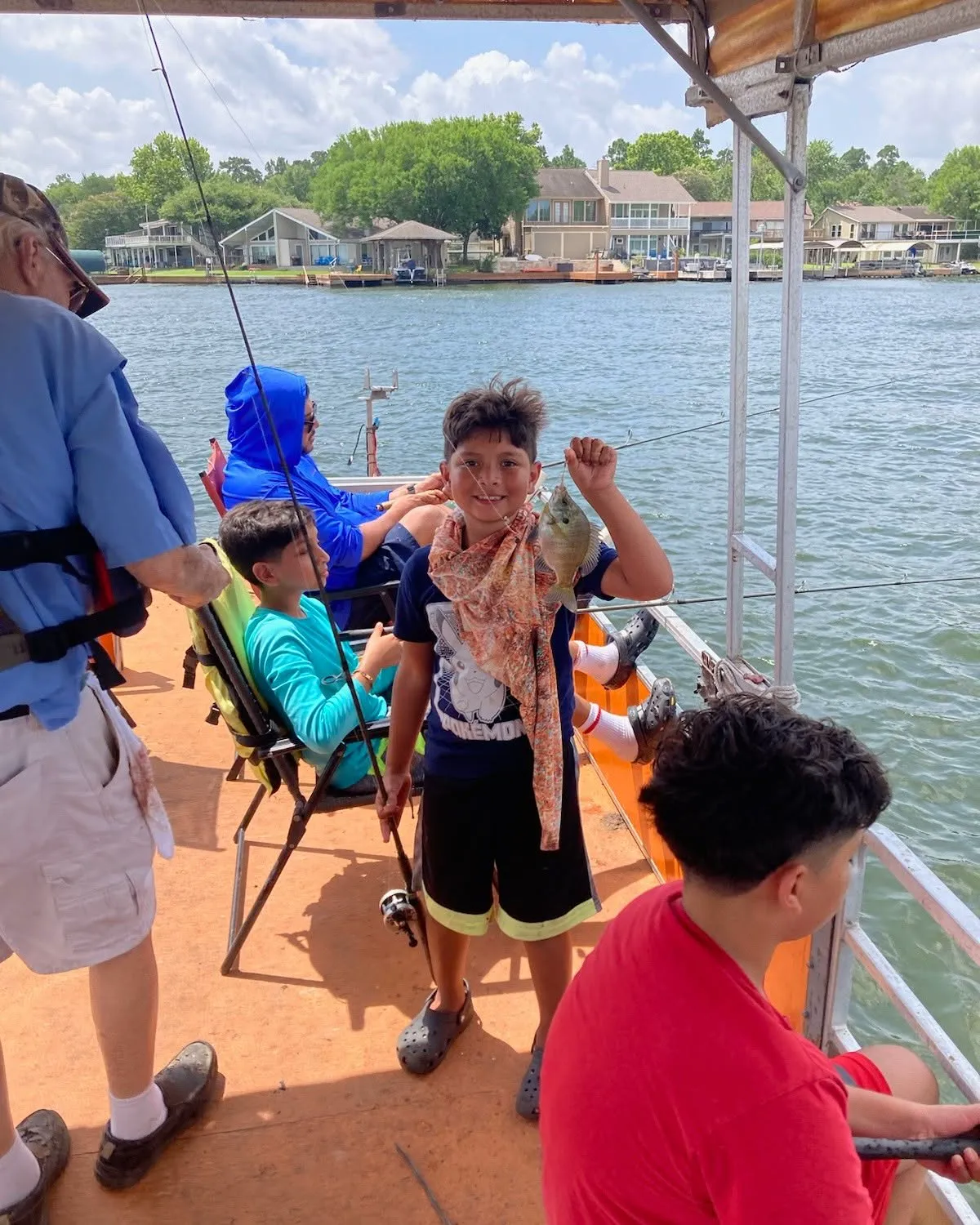
If your group is unsure which species makes sense, the Lake Conroe fish guide compares the lake’s main fishing options. It is often better to choose a patient catfish or bream plan for children than to force a more technical bass plan on a day when that is not what the group will enjoy.
Keep the official details easy to use on the water
A regulation is only useful if you can apply it without guessing. Save the official Lake Conroe rules page on your phone before leaving home, but do not depend on a weak signal at the ramp. If you are planning to keep fish, bring a readable measuring board and make sure the group knows where it is stored. A ruler printed on a cooler lid, a rough hand span, or a photo taken at an angle is not a reliable way to decide whether a fish is legal.
It also helps to name one person who will watch the count when a group is keeping fish. On a fun, busy boat, several people may catch the same species within a few minutes. A simple count prevents a well-meaning group from accidentally going over the daily limit. If the count is unclear, stop retaining fish until it is sorted out. Releasing a fish is easier than explaining why the group kept too many.
Good photos do not require a full cooler. A quick picture, careful release, and a story about the catch can be the right outcome for many families. When the group does want fish for a meal, decide that before the action starts and follow the current limits one fish at a time.
If a guest cannot identify a fish with confidence, treat that as a reason to release it and check later, not a reason to make a hopeful call. Lake Conroe can produce days with several kinds of bass, catfish, and panfish, and similar-looking fish can carry different rules. A careful decision keeps the day relaxed and shows children that good fishing includes looking after the resource.
Take one short moment to review the plan again before the first fish is retained. Decide where the measuring board will sit, who has the cooler key, and whether every person fishing understands the goal. Those small details make a busy, successful stretch of bites easier to manage without taking attention away from the guests who are learning.
Protect the lake when you launch and leave
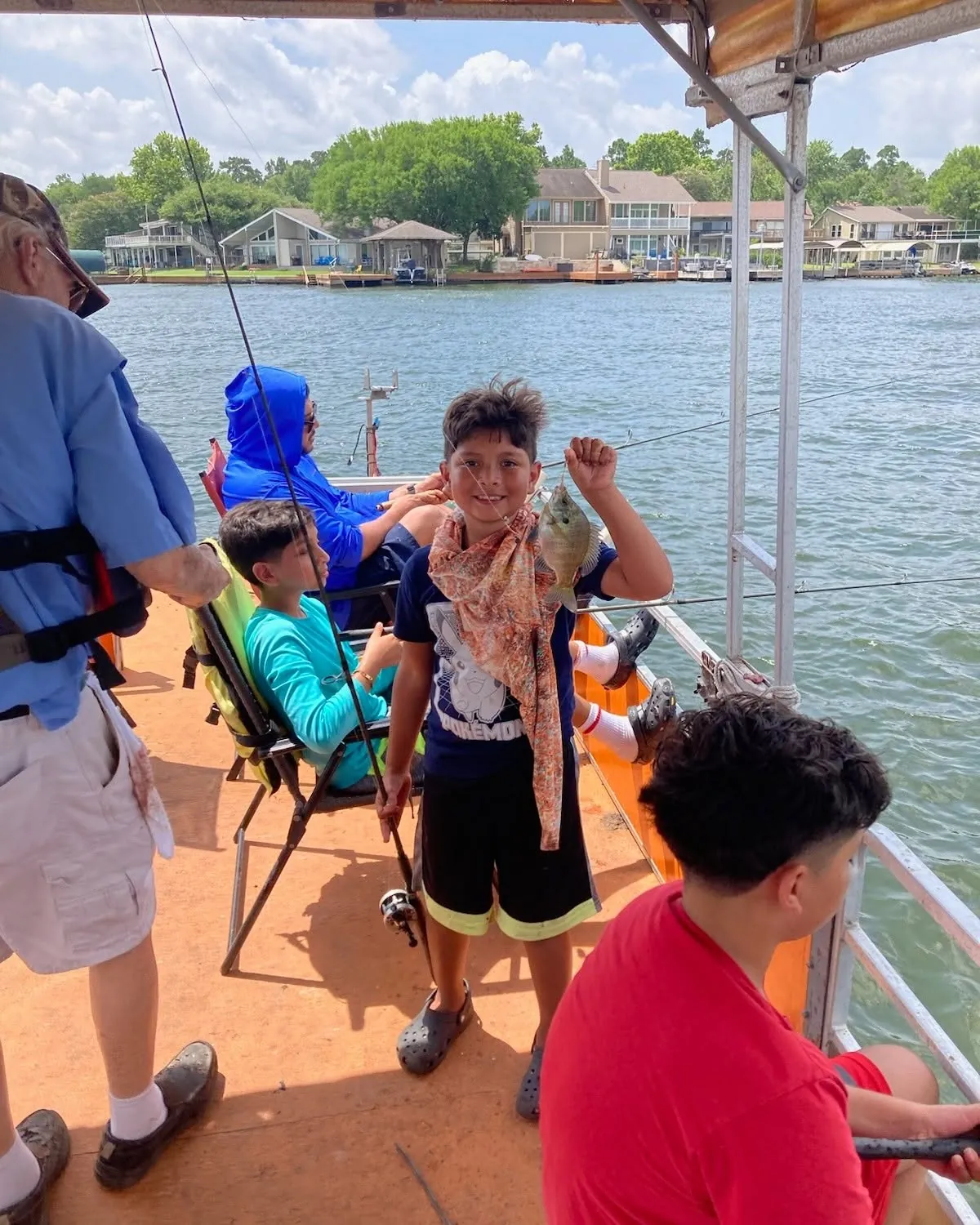
Fishing rules are not only about the fish in the cooler. Boats and trailers can carry water, mud, and aquatic hitchhikers from one lake to another. Texas requires boaters to drain water from their boats and onboard receptacles when leaving or approaching public freshwater. Make it part of the end-of-day routine, along with looking over the trailer, ropes, anchor, and gear for visible plants or debris.
That routine is especially useful after a busy day, when everyone is ready to head home. Take the extra minute at the ramp instead of assuming the next lake will be unaffected. Texas Parks and Wildlife’s lake regulations page flags the drainage requirement for Lake Conroe, and the agency’s current guidance is the right place to check if your equipment or travel plan raises a question.
Weather and water conditions matter here too. A stormy forecast, changing lake level, or a crowded ramp can change how comfortably the day begins and ends. The Lake Conroe weather guide and water-level guide help visitors think through those practical conditions before they load the boat.
Let the plan fit the group, not just the rulebook
Reading the rules does not tell you where fish will be or how a six-year-old will feel after an hour of wind. That is where a guided trip can make the day easier. Billy can talk through the date, the number of people coming, experience levels, and whether keeping a few legal fish is part of the plan before everyone gets on the water.
For visitors, that local conversation can prevent avoidable pressure. Instead of trying to turn regulations, weather, a map, and a dozen opinions into one plan, you can start with a realistic target and a pace that suits the group. The Fishing Trips page explains the kind of family-friendly Lake Conroe day Billy can help arrange.
The best result is a day that feels well prepared without feeling overcomplicated. Have the right license, check the current rules, treat fish and the lake responsibly, and leave room for the guide to adjust the fishing plan to the conditions. That is a much better starting point than discovering a rule after the fish is already in the cooler.
Frequently asked questions
Do I need a fishing license at Lake Conroe?
Most people fishing Lake Conroe need a current Texas freshwater fishing license with the appropriate endorsement. Texas Parks and Wildlife lists exemptions and current requirements, so check before your trip instead of relying on an old rule or a friend’s memory.
Are there special bass rules at Lake Conroe?
Yes. Lake Conroe has a special largemouth bass minimum length limit. The exact rule can change, so use the current Texas Parks and Wildlife Lake Conroe regulations page before deciding which fish to keep.
Can I keep catfish or crappie from Lake Conroe?
You can keep legal fish within the current lake-specific limits. Size, daily bag, and possession rules differ by species, so identify the fish correctly and check the official Lake Conroe regulations before it goes into the cooler.
What should I do when leaving Lake Conroe with a boat?
Drain water from the boat and onboard containers as required, remove visible plants or debris, and follow current Texas aquatic-invasive-species guidance. Those habits protect other waters and help avoid a preventable problem at the ramp.
Plan a Lake Conroe trip with the practical details handled.
Call Billy to talk through your date, your group, target fish, and the kind of day you want on the water.
Related posts

52 Keepers and Big Smiles with Moshay’s Family
A great day on Lake Conroe with Moshay and his family: 52 keepers, happy kids, and a special thank-you to Audrey.
Lake Conroe Fishing Pier: What to Know Before You Go
A practical guide to Lake Conroe fishing piers, public access, private marinas, shore-fishing plans, rules, and when a boat is the better fit.

Lake Conroe Fishing Report: What to Check Before You Go
A practical Lake Conroe fishing report guide covering lake level, weather, fish, safety, and how to plan a better day on the water.