Lake Conroe Bass Fishing: A Practical Guide
A practical Lake Conroe bass fishing guide covering seasons, cover, water conditions, tackle, safety, and how to plan a better day.
Lake Conroe bass fishing has a deserved reputation, but a good bass day is rarely as simple as finding one famous dock and throwing the same lure all morning. The lake gives bass plenty of places to use: points, standing timber, brush, docks, riprap, creek channels, shaded edges, and open water nearby. The useful part is not memorizing every feature. It is understanding what kind of water is most likely to fit the conditions on the day you fish.
That matters whether you are an experienced angler or planning a first trip with friends or family. Bass can be a rewarding target because they are strong, active fish that often relate to visible cover. They can also make a day more technical than guests expect. A practical plan starts with the lake, the weather, and the people on the boat, then keeps enough flexibility to change when the first idea is not working.
Start with what makes Lake Conroe a bass lake
Texas Parks and Wildlife identifies largemouth bass as Lake Conroe's most sought-after sport fish and notes the lake's trophy potential on its Lake Conroe fishing page. That reputation comes from a large reservoir with many different types of cover and enough water for bass to use shallow banks, deeper breaks, protected coves, and open-water edges at different times.
The size of the lake is part of the appeal and part of the challenge. The Lake Conroe facts page explains the scale of the reservoir and why one end can feel different from the other. Wind, water level, rain, boat traffic, water clarity, and bait movement can all make a promising-looking stretch less useful than a quieter section of water a few miles away.
For visitors, this is why a bass plan should begin with a type of water rather than a secret spot. A shady dock line, a point near deeper water, a protected creek arm, or a piece of timber may each be worth checking when the conditions support it. The pattern matters more than chasing a rumor from last weekend.
Match the season to the day, not just the calendar
Spring and fall get a lot of attention because the weather can be more comfortable and bass may use predictable types of shallow and transition water. That does not turn either season into an appointment with a fish. A warm spell, cold front, recent rain, changing water level, or heavy weekend traffic can move the better option from a visible bank to a different type of cover entirely.
Summer often makes early starts more comfortable. Shade, deeper water nearby, and shorter runs can matter as much as a particular bait. Winter can feel mild around Lake Conroe compared with northern lakes, but a front can still change fish behavior and make open water uncomfortable. The Lake Conroe weather guide is a useful check before choosing the time of day.
A better question than “What month is best?” is “What can this group enjoy today?” A serious angler may be happy to cast, move, and adjust all day. A family may prefer a protected area, an easier pace, or another species if the bass pattern is likely to be too technical. A good plan leaves room for both.
Look for useful cover, not every visible object
Bass use cover for shade, forage, ambush positions, and a sense of security. On Lake Conroe, Texas Parks and Wildlife points anglers toward standing timber, riprap, bridge pilings, docks, and brush piles as useful types of structure and cover. That does not mean every dock has a bass waiting under it. It means those features give you a sensible place to start reading the water.
A dock can offer shade and a hard edge. A point can create a route between shallow water and deeper water. Riprap can hold bait and change the look of a shoreline. Timber and brush can concentrate life, but they also demand careful boat handling. The Lake Conroe depth-map guide helps explain why the nearby bottom shape can matter as much as the cover you see above the surface.
Keep the first plan simple. Pick one or two cover types that fit the conditions, fish them carefully, and pay attention to what changes around a bite. Was there shade, wind, a depth change, bait nearby, or a certain angle? That observation is more useful than racing across the lake to repeat one cast someone made months ago.
Use weather and water level as planning tools
A Lake Conroe bass plan should include more than the air temperature. Check wind direction and speed, rain timing, lightning risk, heat index, and whether the morning looks calmer than the afternoon. Wind can reposition bait, make boat control harder, and turn an exposed part of the lake into the wrong choice for beginners. Lightning and unsafe weather are different matters altogether.
Water level adds another layer. Higher water may put more shoreline cover in reach, while lower water can change the look of shallow areas, ramps, and navigation margins. The Lake Conroe water-level guide explains why the current number has more value when it is read with recent rain and the kind of water you hope to fish.
Start with current information rather than an old screen shot. Water Data for Texas provides current Lake Conroe conditions, while the National Weather Service forecast for Conroe is a better day-of weather source than a social post. Use both to decide whether the trip needs an earlier start, a calmer area, or a different target.
Choose tackle that fits the water and your experience
Bass fishing can get as technical as you want it to be, but a first plan does not need a tackle-shop inventory. The useful setup is the one you can cast safely, retrieve with confidence, and work around the cover in front of you. A simple soft-plastic presentation, spinnerbait, topwater option, or other common bass lure may make sense depending on the season and water, but the right choice changes with the conditions.
New anglers often do better when the job is clear: make a short, controlled cast; keep the lure moving at a manageable pace; watch the line; and let someone explain what a strike can feel like. Long casts into heavy cover with complicated tackle can be fun for an experienced bass angler, but they can also turn a first outing into a day of untangling line.
Bass are a good fit for guests who enjoy casting and learning why the boat changes position. For people who want a slower, more relaxed day, the Lake Conroe catfish guide and Lake Conroe crappie guide show why another target can be the better choice on a given date. There is no prize for forcing a bass plan that does not fit the group.
Fish safely around timber, docks, and changing water
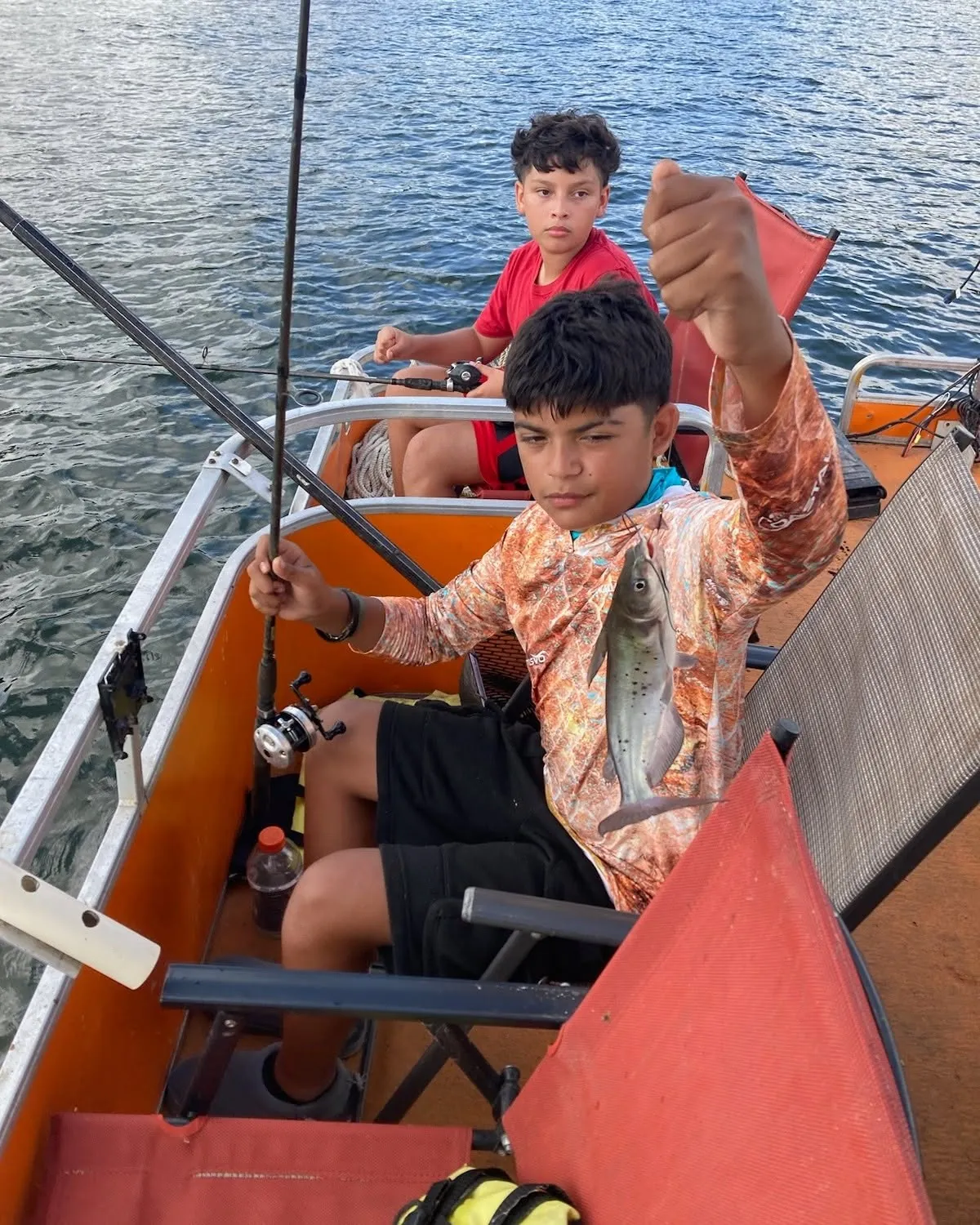
The same cover that makes Lake Conroe interesting can require caution. Texas Parks and Wildlife notes that standing timber in the upper reaches can be slightly submerged around conservation pool and hazardous for navigation. Slow down in unfamiliar water, respect marked hazards, and do not treat a contour map or a fishing report as a navigation chart.
Docks and private shoreline also deserve respect. Fish the water that is legally available to you, give residents and other boaters room, and avoid turning a cast into a conflict. A courteous approach makes the lake better for everyone and keeps the day focused on fishing rather than access problems.
Before keeping fish, check the current Lake Conroe fishing regulations. Most anglers also need a valid Texas freshwater fishing license unless an exemption applies. The state’s fishing-license information is the right place to confirm the current requirements before you reach the ramp.
Avoid the mistakes that waste a bass-fishing day
The most common mistake is treating one location as the whole plan. A dock, point, or bridge can be worth fishing, but only if the weather, water, bait, and fish behavior line up. Give a useful pattern enough time to tell you something, then move when the lake is clearly giving a different answer.
Another mistake is trying to fish every part of Lake Conroe in one outing. The lake is too large for a visitor to learn by racing from cove to cove. Start in an area that fits the wind and the group, focus on the cover that matches the day, and let each decision make the next one easier. The Lake Conroe area guide can help you think through the kinds of water worth considering.
Finally, do not make the day harder by chasing a bass-only goal when someone on the boat is uncomfortable, new to fishing, or simply hoping to catch something. A flexible trip can still include bass without making the entire outing depend on one technical pattern. A fishable day is better than a perfect-looking plan that nobody enjoys.
What a local bass guide changes
A guide cannot promise that every cast will produce a bass. What Billy can do is remove the expensive part of the learning curve: choosing a sensible starting area, watching the conditions, handling the boat around cover, putting workable tackle in guests’ hands, and deciding when a move makes more sense than staying put.
That is especially useful for visitors and mixed-experience groups. Instead of spending the morning guessing where to launch, which shoreline is safe in the wind, or whether the bass bite fits beginners, you can talk through the date and the people coming before the trip. The Lake Conroe bass guide trips page explains the type of bass-focused day Billy can plan, while the Fishing Trips page gives the broader picture for families and first-time anglers.
The best bass day is not always the day with the longest list of techniques. It is the day with a clear plan, safe choices, enough flexibility to respond to the lake, and people on the boat who are still smiling when it is time to head in.
Plan the trip around the people on the boat
When you call Billy, share the date, the number of people coming, everyone’s experience level, and whether bass are the main goal or one good option among several. Those details help shape the right day more than a vague request for the “best spot.”
Lake Conroe has the water, cover, and bass fishery to make a bass-focused trip worth considering. The more useful question is how to make that opportunity fit the day you actually have. Starting there means less guessing, more fishing, and a better chance that every guest enjoys the trip.
Frequently asked questions
Is Lake Conroe good for bass fishing?
Lake Conroe has a well-known largemouth bass fishery with docks, timber, points, brush, and other cover that can create real opportunities. The better question is whether bass are the right target for your date, weather, and group because conditions can change the plan.
What is the best time of year for bass fishing on Lake Conroe?
Spring and fall often bring comfortable fishing weather and active bass patterns, but there is no automatic best month. Water temperature, wind, rain, bait movement, fishing pressure, and the type of day you want all matter more than a calendar alone.
What should I bring for a Lake Conroe bass fishing trip?
Bring weather-appropriate clothing, water, sun protection, sunglasses, and a valid Texas fishing license when required. Ask before the trip whether you should bring personal tackle or whether the guide will provide a setup suited to the day.
Can beginners catch bass on Lake Conroe?
Yes, beginners can enjoy a bass-focused trip, especially with a simple plan and realistic expectations. Bass fishing can involve more casting and moving than some other targets, so a guide can help choose a pattern that fits the group's experience and patience.
Plan a Lake Conroe bass day around your group.
Call Billy to talk through the conditions, your experience level, and whether a bass-focused trip fits your date.
Related posts
Lake Conroe Fishing Pier: What to Know Before You Go
A practical guide to Lake Conroe fishing piers, public access, private marinas, shore-fishing plans, rules, and when a boat is the better fit.

Lake Conroe Fishing Report: What to Check Before You Go
A practical Lake Conroe fishing report guide covering lake level, weather, fish, safety, and how to plan a better day on the water.
Lake Conroe Depth Map: How to Read It Before Fishing
How to use a Lake Conroe depth map, understand contour lines, check the current lake level, and make a safer fishing plan.